

An Expert's Guide on How To Strengthen Nails
Brittle nails are a common concern for individuals who frequently wear acrylics, gel manicures, or regularly expose their hands to water and harsh cleaning products. Over time, these factors can disrupt the nail plate’s natural moisture balance, leaving nails more vulnerable to breakage and damage. In many cases, using the right nail treatment to strengthen nails can help restore hydration and support healthier nail structure.
In this guide, we will explain why nails become weak and brittle and outline evidence-informed strategies that can help strengthen and protect nails over time.
Why Do Nails Become Weak and Brittle?
The nail plate is primarily composed of keratin, a structural protein arranged in tightly layered cells. These layers depend on adequate hydration to remain flexible and resistant to breakage. Here are the factors that can contribute to weakened nails:
- Frequent use of acrylic or gel manicures, which may involve filing and chemical exposure
- Repeated wetting and drying cycles, especially from household chores
- Exposure to solvents or harsh chemicals, including acetone and cleaning agents
- Nutritional deficiencies, particularly in biotin, iron, or protein
- Mechanical trauma, such as picking, biting, or aggressive manicuring
Effective Nail Treatments to Strengthen Nails and Prevent Breakage
Improving nail strength typically requires a combination of hydration, protection, and consistent care. The following strategies are widely recommended by dermatology experts to help restore nail resilience.
Moisturize Often
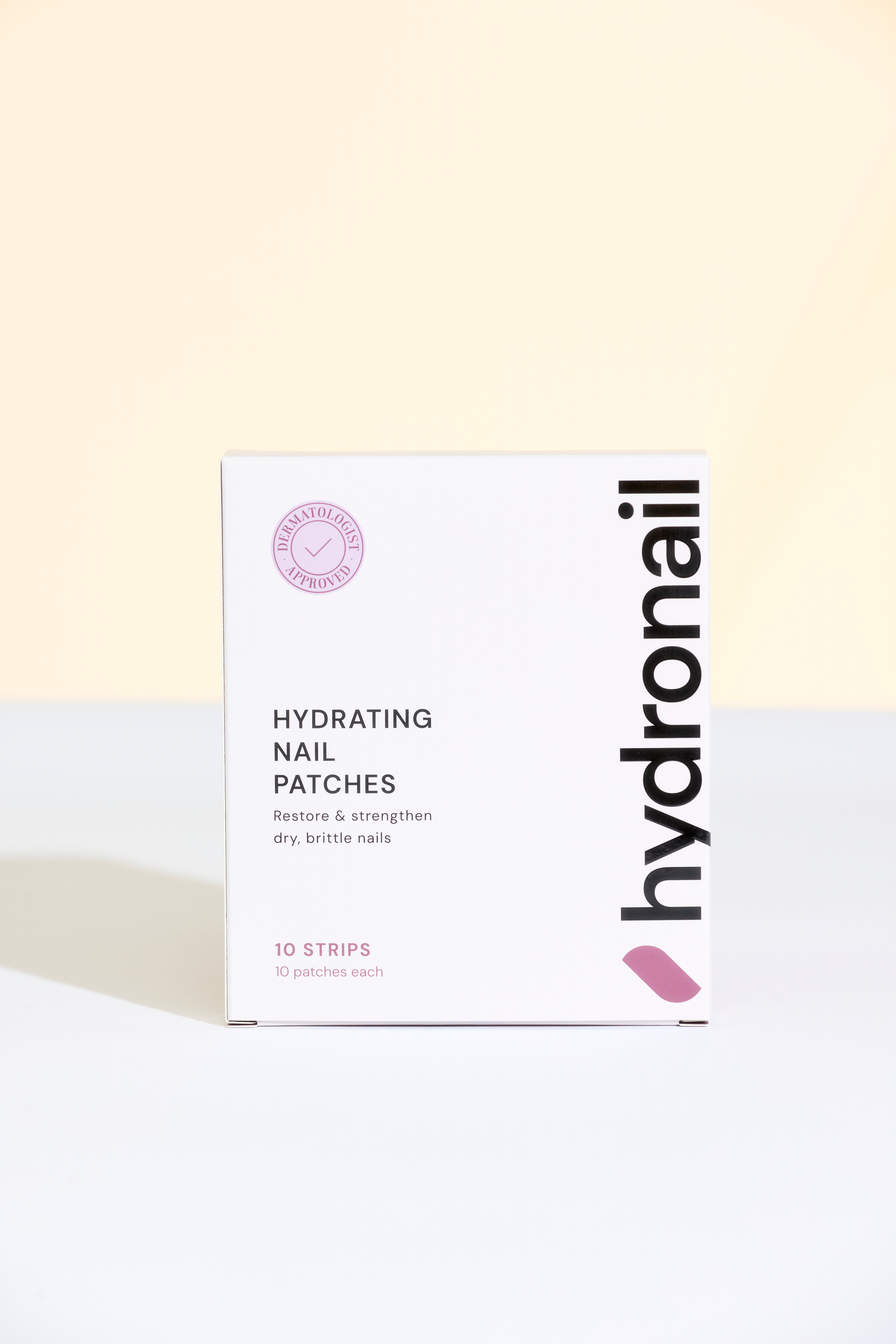
Hydration is one of the most important factors in maintaining healthy nails. When nails become dry, they lose flexibility and are more likely to become brittle. Regularly applying moisturizing treatments, particularly hydration-focused solutions such as hydrogel-based products like HydroNail, can help restore moisture balance and support stronger, more resilient nails.
Pro Tip: Apply moisturizing treatments before bedtime to allow overnight hydration and better absorption.
Protect Your Hands
Environmental exposure can significantly impact nail health. Household cleaning products, detergents, and other chemicals can strip away natural oils from both the skin and nail plate.
Wearing protective gloves when doing household chores helps reduce direct contact with these irritants.
Pro Tip: Use cotton-lined gloves for extended cleaning tasks to minimize sweat buildup, which can also affect nail integrity.
Limit Water Exposure
Although hydration is essential, excessive water exposure can ultimately weaken nails.
When nails repeatedly absorb water and then dry out, they expand and contract. Over time, this process may separate the layers of the nail plate, leading to brittleness.
Limiting prolonged soaking and drying hands thoroughly after washing can help maintain nail structure.
Pro Tip: Avoid long periods of soaking nails during manicures if your nails are already fragile.
Avoid Harsh Products
Many nail care products contain strong solvents that can strip the nail plate of essential moisture.
Acetone-based polish removers, aggressive nail hardeners, and harsh chemicals can contribute to dryness and damage if used frequently.
Choosing gentler formulations or reducing the frequency of polish removal can help protect the nail.
Pro Tip: If using polish remover, follow up immediately with a nourishing moisturizer.
Look to Hydrating Nail Patches
Targeted hydration treatments such as HydroNail can be particularly helpful for severely dry or brittle nails. Hydrogel-based nail patches are designed to deliver sustained moisture directly to the nail plate.
Unlike nail oils, hydrogel-infused nail care products create a breathable, semi-occlusive environment that allows hydration to remain in contact with the nail for several hours.
Hydration-focused solutions, such as HydroNail, are formulated to help restore moisture balance, supporting improved nail flexibility and resilience.
Pro Tip: Overnight treatments can provide extended hydration, allowing active ingredients to penetrate more effectively.
Keep Nails Short
Shorter nails are generally less prone to breakage. Longer nails experience greater leverage during everyday activities, increasing the likelihood of cracking or splitting.
Maintaining a moderate nail length helps reduce mechanical stress on weakened nails.
Pro Tip: File nails gently in one direction rather than using a back-and-forth sawing motion.
Be Gentle (And Stop Picking)
Habitual picking, biting, or peeling off gel polish can significantly damage the nail plate.
These behaviors can remove protective layers of keratin, leaving the nail thinner and more fragile.
Allowing nails to grow undisturbed supports natural repair and strengthens the nail over time.
Pro Tip: If you tend to pick at your nails, applying protective treatments or patches can act as a reminder to leave them alone.
Try Nourishing Treatments
Certain nutrients play an important role in maintaining nail structure and growth. A balanced diet rich in vitamins and minerals supports the production of healthy keratin. Here are the nutrients that are commonly associated with nail health:
- Biotin (Vitamin B7)
- Iron
- Zinc
- Protein
Topical treatments that deliver hydration and conditioning ingredients can also complement nutritional support.
Pro Tip: Improvements from dietary changes may take several months, as nails grow slowly.
Figure Out the Cause
Persistent nail brittleness may sometimes signal underlying issues such as:
- Chronic dehydration of the nail plate
- Repeated chemical exposure
- Nutritional deficiencies
- Certain medical conditions
If nail damage continues despite consistent care, consulting a healthcare professional may help identify underlying causes and appropriate treatments.
Pro Tip: Tracking changes in your nail health over time can help identify patterns related to habits, products, or environmental exposure.
How Long Does Nail Take To Grow Back
Nail regrowth occurs gradually and can vary depending on the type of nail and individual health factors. Understanding typical growth timelines can help set realistic expectations during recovery from nail damage or removal.
- Fingernail regrowth: Fingernails usually take 3 to 6 months to fully grow back after injury or removal.
- Toenail regrowth: Toenails grow more slowly and may require 12 to 18 months for complete regrowth.
- Average growth rate: Healthy fingernails grow at approximately 3–4 mm per month, while toenails grow more slowly at about 1.6 mm per month.
Final Thoughts
Strengthening brittle nails requires patience, consistency, and the right balance of hydration and protection. Simple habits, such as moisturizing regularly, limiting harsh chemical exposure, and maintaining shorter nails, can significantly improve nail resilience over time.
For nails that require deeper hydration and targeted repair, advanced hydration-based treatments may provide additional support. HydroNail is designed to deliver sustained moisture directly to the nail plate, helping restore moisture balance and promote stronger, healthier nails.
If your nails are recovering from dryness, damage, or frequent manicures, adopting a hydration-first approach can be an effective step toward long-term nail health.
Read more
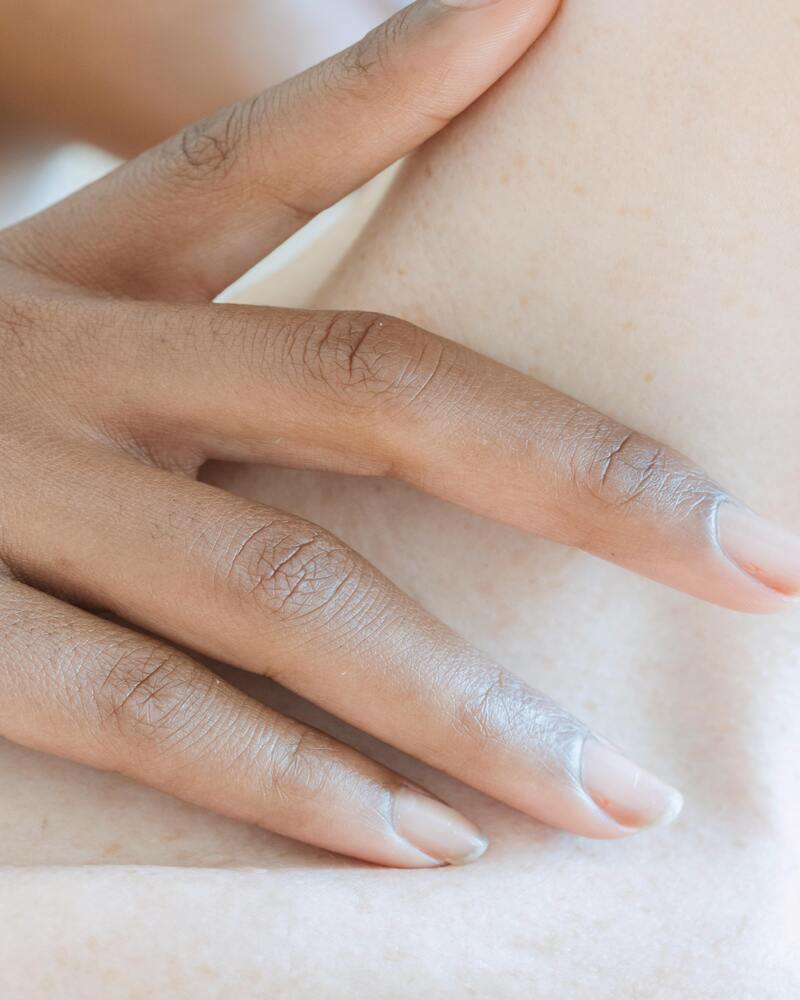
Acrylic and gel manicures can leave nails dry and prone to breakage once removed. This guide explores seven practical strategies for effective nail care after acrylics, helping restore hydration, i...
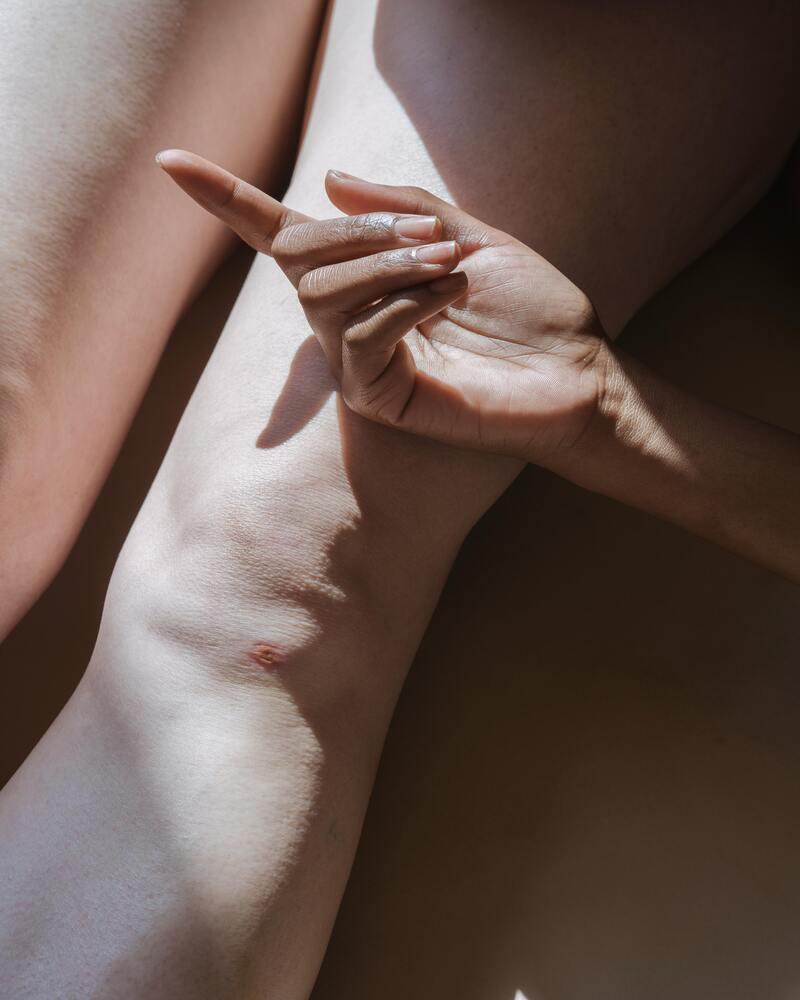
Keep your nails healthy and hydrated with simple daily habits. Moisturize regularly, stay hydrated, eat nutrient-rich foods, and avoid harsh chemicals to prevent dryness, brittleness, and b...