

Are Brittle Nails a Sign of a Nutrient Deficiency?
Brittle nails are often linked to aging, frequent handwashing, nail salon treatments, or ongoing exposure to water and harsh chemicals that strip away moisture. However, brittleness can also signal an underlying health concern, such as nutritional deficiencies. When the body lacks—or cannot properly absorb—key nutrients, nail strength and resilience may decline. If brittleness persists, a medical evaluation may be helpful to rule out any underlying health issues.
Nutrient Deficiencies Linked to Brittle Nails
When nutrient levels fall short, changes in nail appearance are often among the earliest warning signs. Nutrients commonly associated with nail strength include iron, B vitamins (including biotin and vitamin B12), zinc, and sufficient dietary protein. Omega-3 fatty acids also play an important role by supporting nail hydration which helps reduce breakage.
According to research on key nutrients that support nail strength, consistency is critical for long-term nail health. Beyond brittleness, nutrient deficiencies may lead to noticeable nail changes such as white spots, vertical ridges, indentations or altered pigmentation.
Can Improving Your Diet Reverse Brittle Nails?
When key nutrients are lacking, nails often reflect those imbalances. For example, zinc deficiency may lead to changes such as slow nail growth, white spots, or increased brittleness.
Restoring adequate zinc, along with other essential nutrients, can help support stronger, healthier nails over time.
A balanced, nutrient-dense diet may include:
- Iron: Beef, poultry, fish, beans, and lentils
- Vitamin C (supports iron absorption): Citrus fruits, kiwi, red peppers, strawberries, tomatoes
- Vitamin B12 & Biotin: Beef liver, meat, poultry, fish, eggs, dairy, nuts, seeds, leafy greens
- Zinc: Oysters, meat, fish, poultry, beans, nuts, whole grains, dairy
- Protein: Meat, fish, poultry, legumes, nuts, seeds
- Magnesium: Nuts, seeds, avocados, spinach, whole grains
- Folate: Spinach, black-eyed peas, asparagus
- Omega-3 fatty acids: Flaxseed, chia seeds, salmon
Should You Take Supplements for Stronger Nails?
When a vitamin deficiency for brittle nails is suspected, doctors usually recommend improving your diet before turning to supplements. Food-based nutrients are better absorbed and address the root cause more effectively.
Supplements can be helpful in specific cases but they’re not a quick fix. For best results, talk to your doctor before starting supplements and focus on a balanced, nutrient-rich diet to support long-term nail health.
What Brittle Nails May Be Telling You
If you’re asking what deficiency is linked to brittle nails, the issue is often related to low levels of iron, B vitamins, zinc or protein. Improving your diet can help restore these nutrients, but long-term improvement usually comes from combining internal nutrition with consistent nail care.
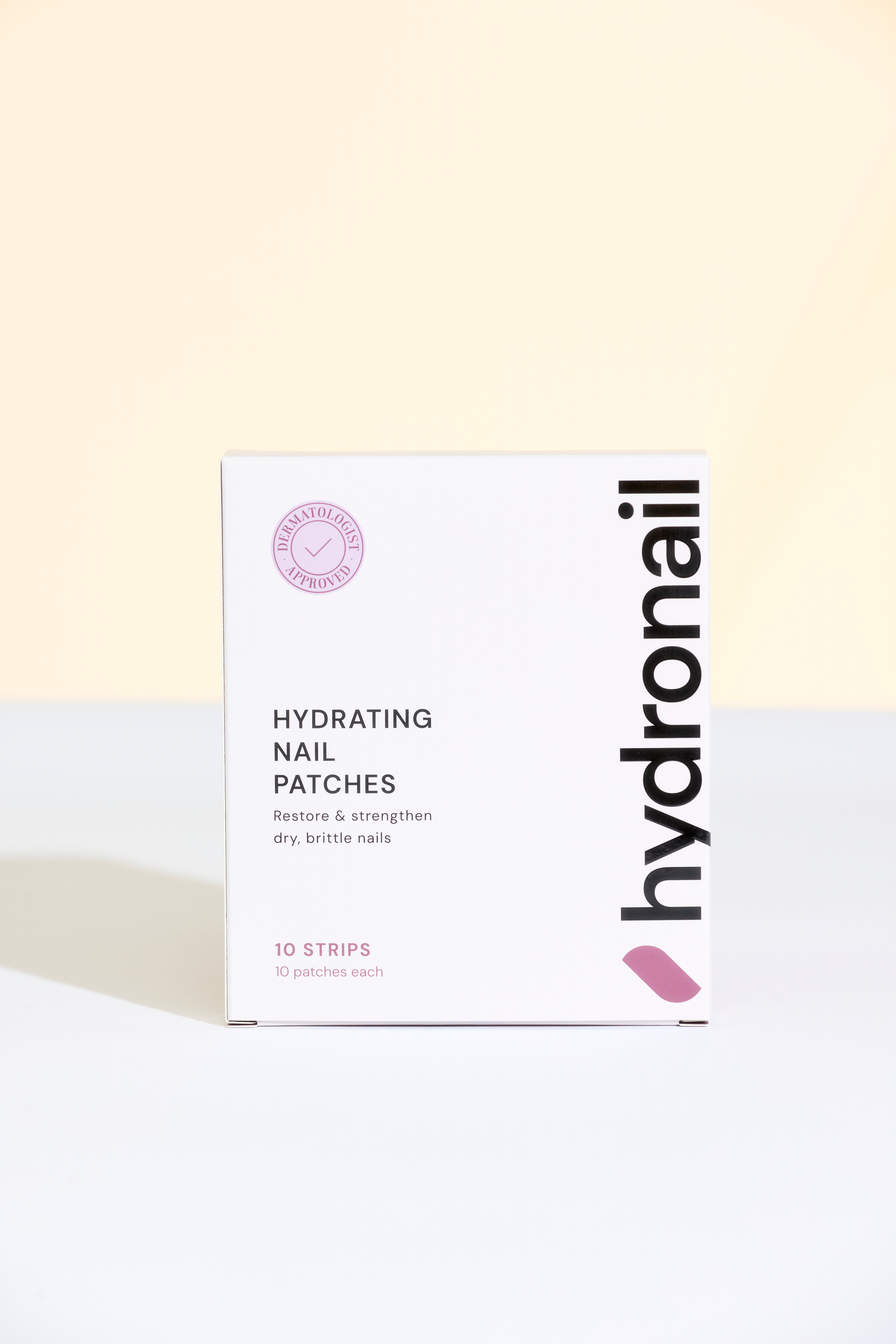
Many people also wonder about the best nail moisturizers recommended for brittle nails. Using a targeted hydrating nail treatment such as a Hydronail hydrating nail patch can help reduce splitting and improve nail strength as deficiencies are corrected.
Read more

Menopause often brings noticeable changes to nail health commonly referred to as menopause fingernails. This blog explains why these changes occur, how hormonal shifts affect nail structure and wha...

Your nails can be early indicators of nutrient imbalances affecting overall health. This guide highlights five warning signs of a vitamin deficiency for brittle nails, explains when deficiencies be...