
Understanding Menopause Fingernails: Why Nail Changes Happen
Menopause triggers shifts throughout the body, including noticeable changes in nail health. Declining estrogen levels reduce moisture, leaving nails drier, weaker, and more susceptible to breakage.
Since nails rely on consistent hydration, reduced moisture and slower growth during menopause can make brittleness more common. Understanding these changes is the first step toward improving nail health.
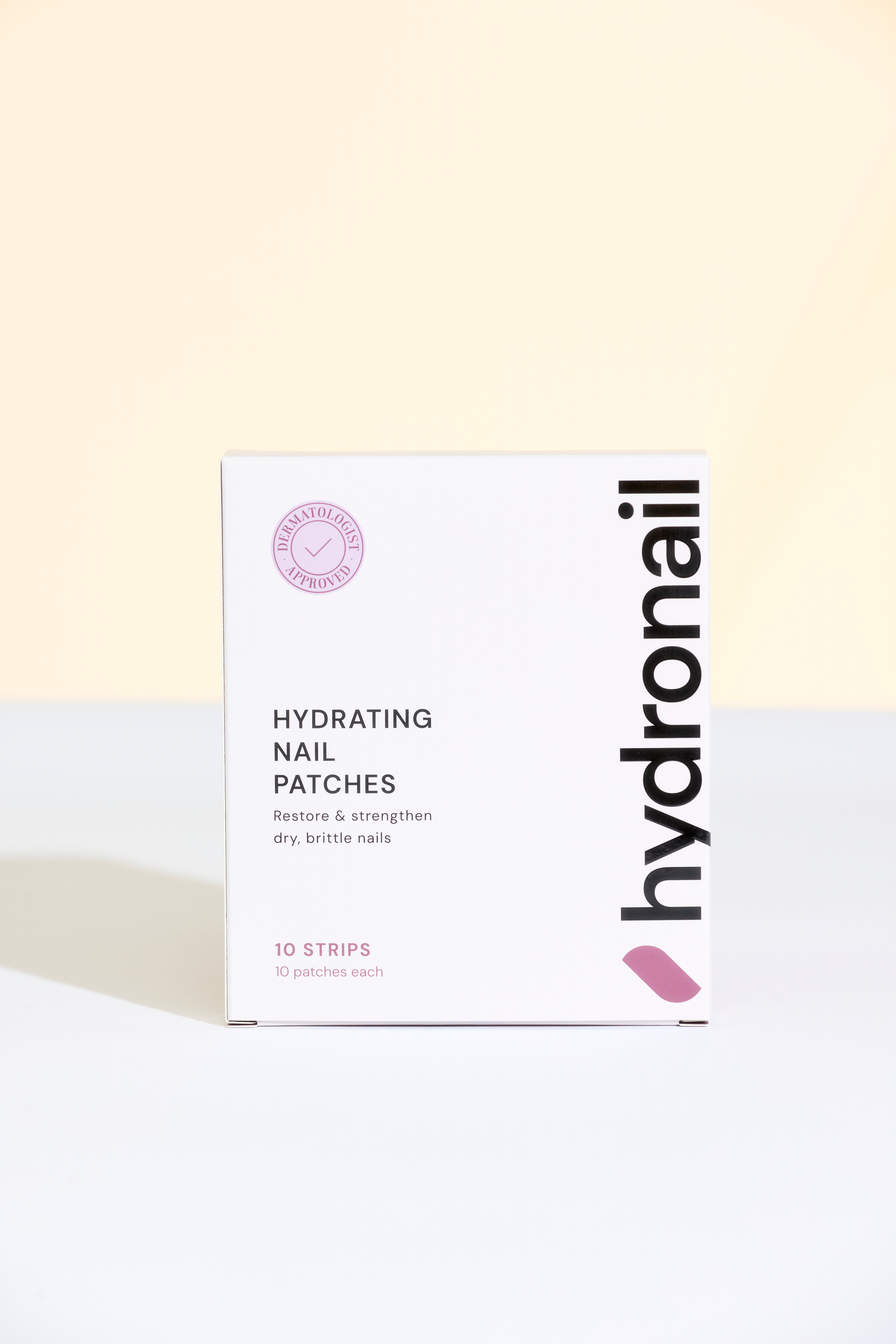
For hydration-focused care that supports stronger nails, explore the HydroNail’s nail care system.
Why Your Nails Change During Menopause
Nails are primarily made of keratin, a protective protein that keeps them firm and resilient. When keratin cells lose essential moisture and natural oils, the nail plate becomes dry and thin. According to My Menopause Centre, lower estrogen levels also reduce the body’s ability to stay hydrated leading to brittle and fragile nails that weaken over time.
However, hormonal changes aren’t the only reason nails become brittle. Several non-menopausal factors can also affect nail strength, including:
- Cosmetic trauma: Frequent use of gels, acrylics or false nails, as well as repeated washing and drying can strip moisture and weaken nail layers.
- Age-related changes: As we age, toenails typically become thicker while fingernails may become thinner and more brittle even without menopause.
- Underlying medical conditions: Iron deficiency, an underactive thyroid, Raynaud’s syndrome and fungal infections can all affect nail strength and appearance.
By understanding these combined influences, you can identify what’s driving nail changes and choose the most effective path to restoring nail health. Adding a hydration-focused solution such as the hydrating nail patch can also support nail recovery.
How to Treat Nail Changes Caused by Menopause
While age-related nail changes are not fully preventable, there are effective ways to reduce splitting and cracking. These simple habits can help restore stronger and healthier nails over time.
Moisturize Regularly
Moisturizing your nails and cuticles regularly especially after washing your hands and before bedtime is an effective way to prevent dryness and breakage. Keeping the nail surface hydrated is essential for supporting stronger fingernails and using a hydrating nail patch can offer added moisture when your nails need extra care.
Protect Your Hands and Nails
Wear gloves when using detergents or cleaning products and protect your hands from cold weather. Both harsh chemicals and low temperatures can increase nail dryness.
Practice Gentle Nail Care
Keep nails short to limit exposure to irritants and file them regularly to prevent splitting.
Skip Acetone-Based Removers
Acetone can strip moisture and worsen brittleness. Choose acetone-free nail polish removers to protect your nail barrier.
Additional Tips for Stronger Nails
- Be patient because damaged nails need time to grow out. Fingernails take about 6 months or longer to fully regrow while toenails may take up to 18 months.
- Supplements may help if your brittle nails are linked to low iron levels. Symptoms such as fatigue, breathlessness, palpitations or pale skin may indicate iron deficiency, so speak with your doctor about testing.
- If recommended, choose iron-rich foods like leafy greens, fortified cereals and lean meats. A dietitian or nutritionist can guide you toward a supportive meal plan.
Final Insights for Healthier Menopause Fingernails
Menopausal fingernails are a common result of fluctuating hormonal levels, but they don’t have to define your nail health. By understanding why these changes occur and focusing on consistent hydration, you can rebuild nail strength over time.
For added support, HydroNail’s hydration-focused system is designed to nourish brittle, weakened nails and help restore long-term resilience. With the right care and the right products you can maintain smoother, healthier nails throughout the menopause transition.
Read more
This blog explains what are the causes of brittle nails and why they become dry over time. It covers common causes like frequent washing, chemical exposure, aging and underlying health conditions a...
Brittle nails can be more than a cosmetic issue but they may be an early sign of nutrient deficiencies or underlying health concerns. This guide explains what deficiency causes brittle nails, highl...