
Why Your Nails Are Weak: Understanding What Causes Dry and Brittle Nails
Understanding what causes dry and brittle nails can help you identify the problem and prevent further damage. Everyday habits like frequent washing, harsh products or chemical exposure can dry out the nail plate while nutrient gaps or medical conditions may also weaken nail structure.
In this blog, we’ll explore the most common causes and how to restore stronger and healthier nails.
What Causes Dry and Brittle Nails?
Aging
As we age, nail growth naturally slows, leaving nails exposed to environmental stressors for longer periods. This prolonged exposure to dry air, water and harsh products can gradually wear down the nail plate. Hormonal shifts diminish the natural oils that keep nails flexible, amplifying dryness and brittleness.
Frequent Handwashing
Constant handwashing exposes nails to repeated wet-dry cycles that erode moisture and natural oils, weakening the nail over time. Alcohol-based sanitizers accelerate this process by stripping hydration even faster.
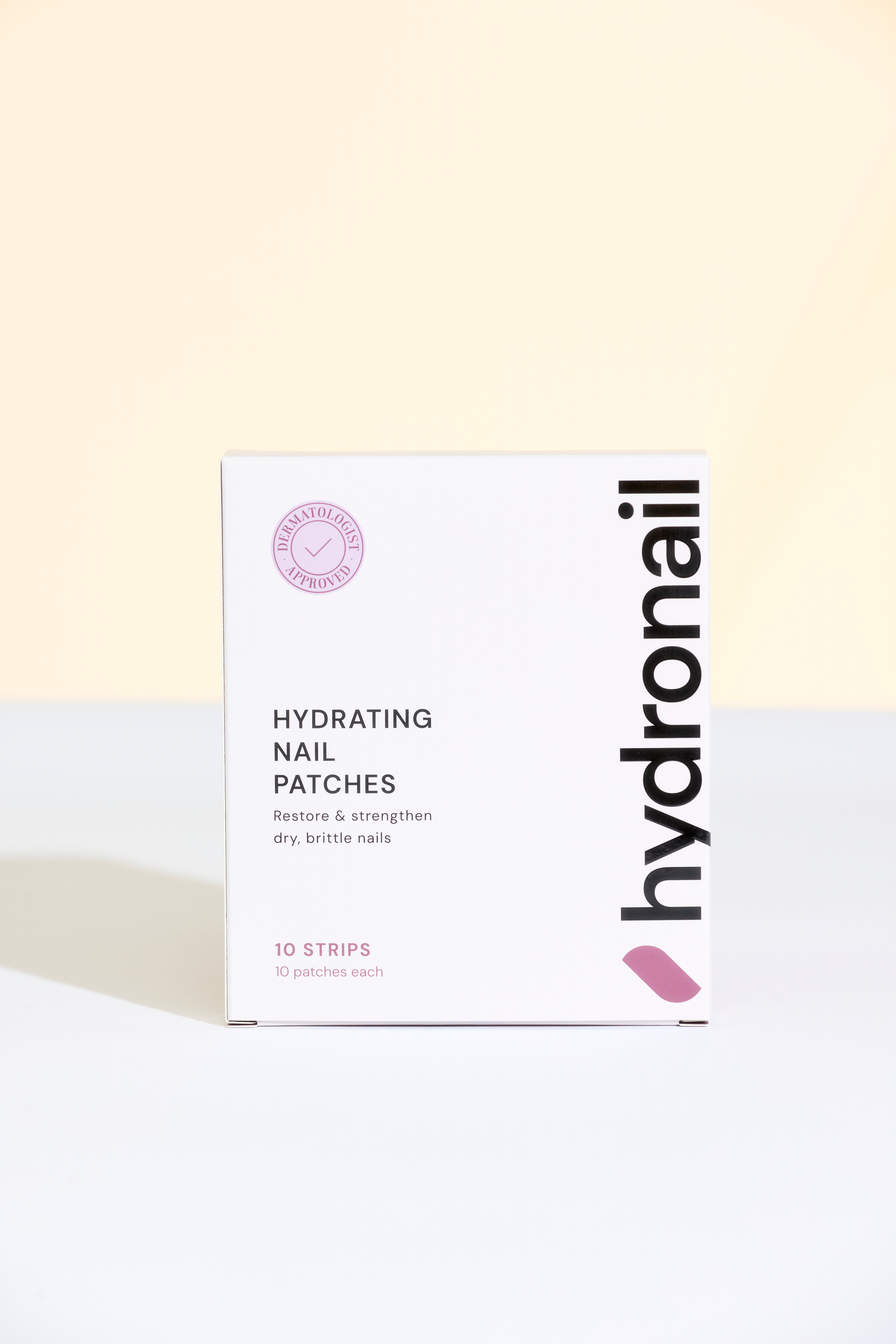
Individuals in healthcare, cleaning and beauty professions face higher exposure and should wear protective gloves whenever possible to reduce damage. For added support, applying hydrating nail patches can help restore and strengthen dry and brittle nails overnight.
Chemical Exposure
Harsh household cleaners such as bleach, detergents and strong powders can weaken keratin and dry out nails. Some nail-care practices also contribute to damage. While standard nail polish isn’t a known cause, products like gel polish, acrylics, nail polish remover and their chemical-based removal processes can thin and weaken the nails over time.
Low Iron Levels
Although most vitamin deficiencies do not directly cause brittle nails, low iron levels can. Iron-deficiency anemia reduces the nutrients available to support healthy nail growth, leading to thinning, dryness and increased breakage.
Fungal Infections
Fungal infections feed on keratin and gradually weaken the nail plate. Early signs often include discoloration but as the infection spreads, nails may split, crack or crumble. Timely treatment is essential to prevent long-term damage and allow the nail to recover.
Underlying Medical Conditions
Certain medical conditions can directly interfere with normal nail growth and contribute to what causes dry and brittle nails. Skin disorders like psoriasis and eczema can change the nail surface, making it more prone to brittleness and peeling.
Hormonal imbalances, especially hypothyroidism, are also strongly linked to dry and fragile nails with many individuals experiencing noticeable nail changes as part of the condition.
According to the Cleveland Clinic, these underlying health issues are common contributors to brittle nails and may require medical attention in addition to proper nail care.
How to Strengthen Dry and Brittle Nails
Once you understand what causes dry and brittle nails, you can adopt habits that protect the nail plate and support healthier regrowth. The strategies below help restore moisture, prevent breakage and encourage stronger nails over time.
Wear Protective Gloves
Exposure to water and harsh chemicals is a major cause for brittle nails. Wearing gloves while washing dishes, cleaning or doing work that requires frequent handwashing helps reduce moisture loss and protects the keratin structure.
Choose Natural Nails When Possible
Give your nails time to recover by limiting the use of polish removers, adhesives, gels and acrylics as these products can thin and weaken the nail plate over time. If you still enjoy getting manicures, try spacing them out, keep your nails short and ask your technician not to cut your cuticles. This helps reduce irritation and lowers the risk of infection.
Moisturize Your Nails Regularly
Hydration is essential for reversing dryness. Apply a fragrance-free hand cream to your nails and cuticles daily, then use petroleum jelly on the cuticles and fingertips to help lock in moisture. For a deeper boost, use HydroNails hydrating nail patches, which are designed to restore and strengthen dry and brittle nails overnight.
Use Gentle Nail-Care Techniques
Handle your nails with care to avoid unnecessary damage.
- Trim nails conservatively to prevent ingrown edges.
- Buff in one direction rather than back and forth to reduce splitting.
- Use a fine file and round the tips gently.
- Clean under the nails with a soft brush rather than sharp tools that can injure the nail bed.
Increase Your Biotin Intake
Biotin, a B vitamin found in foods like fish, meat, seeds and sweet potatoes may help strengthen weak nails. While research is still limited, some people notice improvements with biotin supplementation. You can increase biotin naturally through diet or use over-the-counter supplements. If iron deficiency is contributing to nail brittleness, adding an iron supplement may also help.
Strengthen Nails by Addressing the Root Causes
Aging, frequent handwashing and harsh chemicals are some of the most common reasons for dry and brittle nails. By protecting your hands and keeping your nails hydrated, you can prevent further damage and promote healthier growth.
For enhanced hydration and stronger nails, try HydroNail’s hydrating nail patches formulated to nourish dry, weakened nails and restore resilience from within.
Read more
This blog explains what is the cause of brittle nails and how factors like dryness, aging and daily habits weaken them. It offers practical tips and treatment options to repair and strengthen nails...
Menopause often brings noticeable changes to nail health commonly referred to as menopause fingernails. This blog explains why these changes occur, how hormonal shifts affect nail structure and wha...