
7 Ways to Strengthen Your Nails after Acrylics or Gels
Healthy nails do not rely on salon treatments such as acrylic overlays or gel extensions. While these cosmetic enhancements can temporarily improve nail appearance, repeated use may weaken the nail plate and contribute to dryness and brittleness over time.
Long-term nail strength is better supported through consistent care, balanced nutrition, and the use of evidence-informed nail treatments like HydroNail that help maintain hydration and protect the nail structure.
In this blog, we explore seven practical strategies to help restore moisture, improve nail resilience, and support healthier nails after the removal of acrylic or gel systems.
1. Moisturize Your Nails Regularly
Keeping the nails moisturized is one of the most important steps for maintaining healthy nails. The nail plate contains layers of keratin that require adequate moisture to remain flexible and resistant to breakage.
When nails become dehydrated, these layers can separate, leading to brittleness. Frequent hand washing or frequent exposure to harsh cleaning products can gradually strip moisture from both the skin and nails.
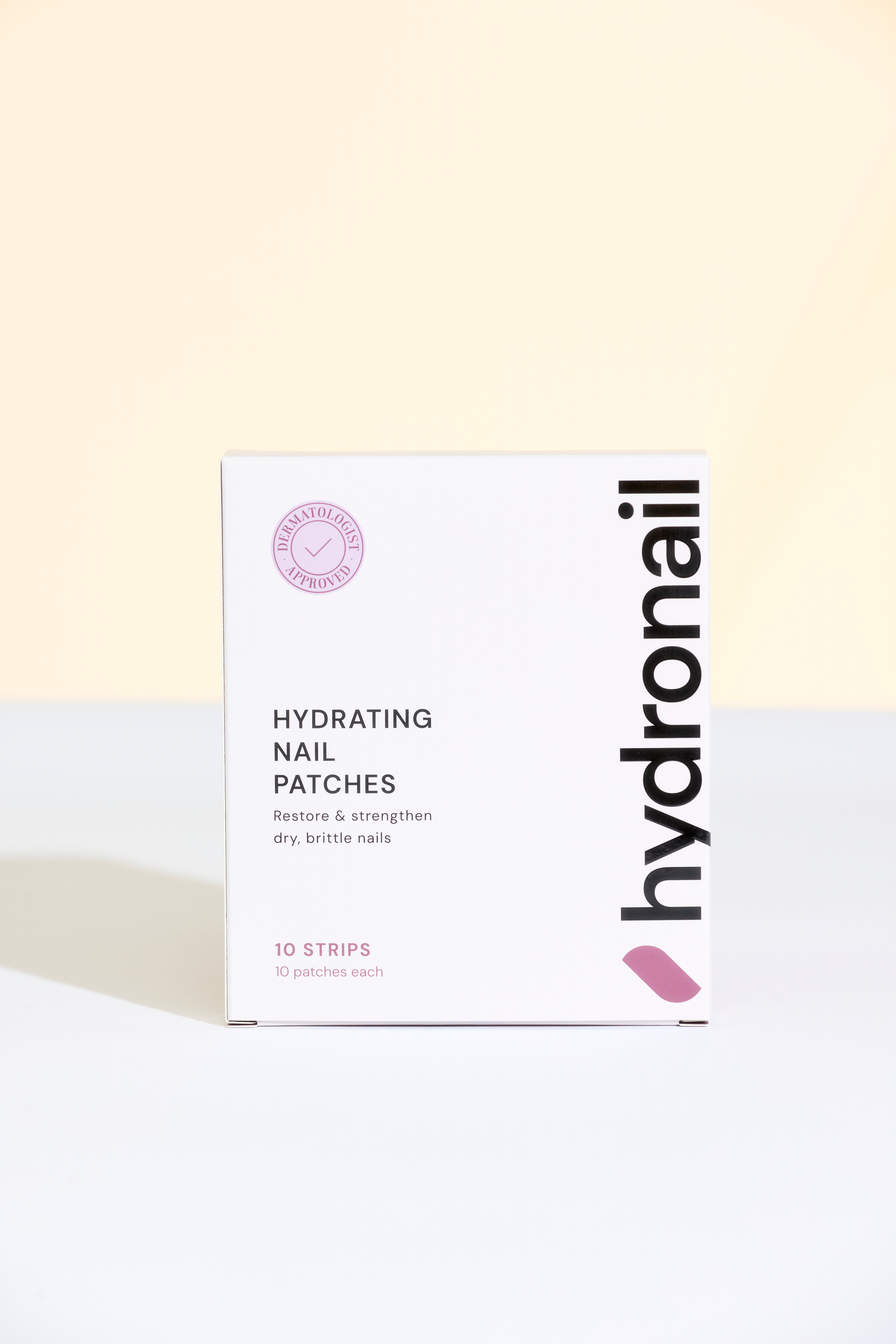
Applying a hydrating nail patch helps restore hydration and protect the nail from becoming dehydrated.
Pro Tip: For deeper hydration, apply a hydrogel-infused nail patch such as HydroNail before bedtime. Overnight use allows the hydrogel to deliver sustained moisture to the nail plate, helping restore flexibility and support stronger, healthier nails.
2. Apply a Hydrating Nail Patch
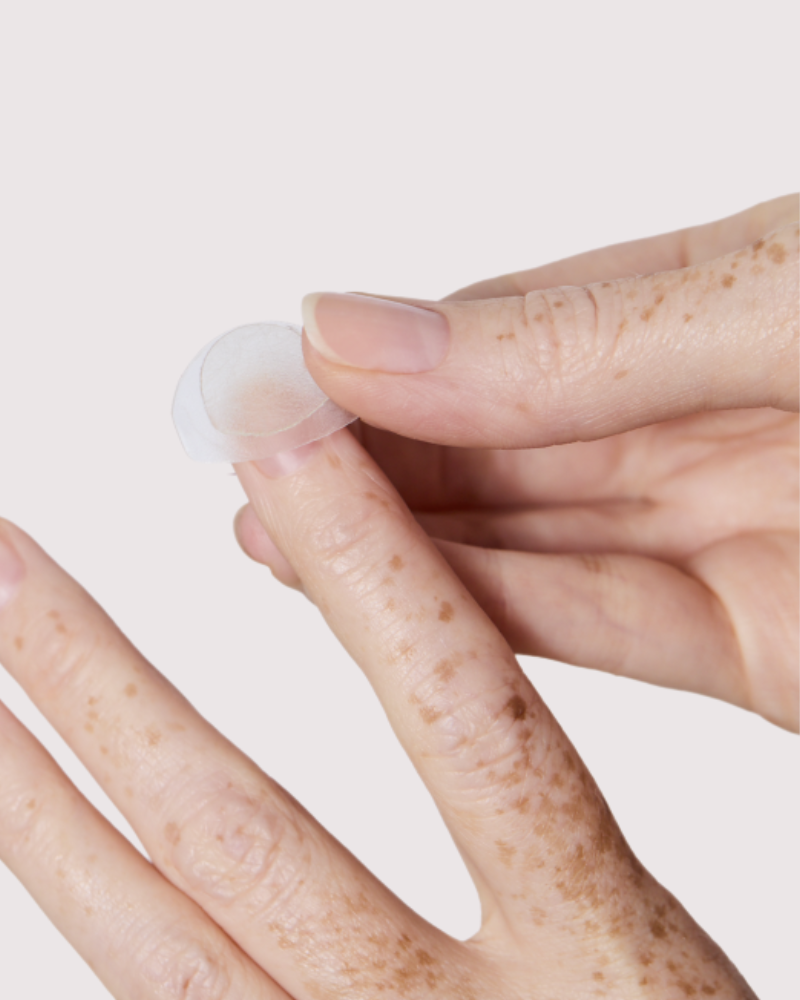
For nails that are already dry or brittle, targeted hydration treatments like HydroNail may provide additional support. Hydrogel-infused nail patches are designed to deliver moisture directly to the nail plate over an extended period.
Pro Tip: Apply Hydronail overnight. Leaving them on for 6–8 hours allows the hydrogel to deliver consistent hydration while the hands remain relatively inactive.
3. Take a Break Between Manicures
Gel manicures and acrylic enhancements are popular for their durability and glossy finish, but repeated use can place stress on the nail. The process of applying and removing these products often involves filing, soaking in solvents such as acetone, and exposure to UV light. Over time, these steps may contribute to thinning of the nail plate and loss of moisture.
Allowing the nails to rest between manicure cycles gives the nail plate time to recover. During this break period, focusing on hydration and gentle nail care can help restore flexibility and support healthier growth. Avoiding frequent removal processes may also reduce mechanical damage to the nail surface.
Pro Tip: Try to schedule short “recovery periods” between manicures to help restore the nail’s natural moisture balance.
4. Consider Going Shorter
The length of your nails can influence how easily they break or split. Longer nails experience more pressure during daily activities such as typing, opening containers, or handling objects. This additional stress can cause the nail to bend or catch on surfaces, increasing the risk of cracks or fractures.
Keeping nails slightly shorter helps reduce this mechanical strain. Shorter nails are often stronger because there is less leverage acting on the nail plate. Regular trimming and gentle shaping can help maintain a clean edge and prevent small cracks from developing into larger breaks.
Pro Tip: Use a fine-grit nail file and file in one direction rather than back and forth. This technique helps prevent tiny tears that can weaken the nail edge.
5. Protect Nails from Over-Exposure to Water
Although water is essential for hygiene, repeated or prolonged exposure can weaken nails. The nail plate is highly absorbent and can take in water easily. When nails repeatedly swell from water exposure and then dry out again, the layers of keratin may separate, which can lead to peeling or softening of the nail surface.
Activities such as dishwashing, cleaning, or long baths can expose nails to water for extended periods. Wearing protective gloves during these tasks helps reduce repeated swelling and drying cycles that may contribute to nail damage.
Pro Tip: Choose gloves with a soft cotton lining when doing household chores. This helps absorb excess moisture and keeps the hands more comfortable during longer tasks.
6. Limit Hand Sanitizer Use
Hand sanitizers are widely used for hygiene, but frequent use can contribute to dryness. Most sanitizers contain high concentrations of alcohol, which effectively kill bacteria but can also remove natural oils from the skin and nails. When the nail area loses moisture repeatedly, it may become more prone to brittleness.
Balancing sanitizer use with proper nail hydration treatment from HydroNail helps protect the nail plate. When possible, washing hands with a gentle soap followed by moisturizing can help maintain healthier nail conditions.
Pro Tip: After using hand sanitizer, apply a small amount of hand cream to replenish lost moisture and help maintain the nail’s hydration level.
7. Eat Foods That Promote Strong Nails
Nail health is influenced not only by external care but also by overall nutrition. Nails are made primarily of keratin, a protein that depends on adequate intake of essential nutrients. Nutrients such as biotin, iron, zinc, and protein support healthy nail formation and growth.
Foods like eggs, leafy greens, nuts, seeds, legumes, and whole grains provide nutrients that contribute to nail strength and resilience. Maintaining a balanced diet helps ensure the body has the building blocks needed to produce strong, healthy nails over time.
Pro Tip: For best results, combine a nutrient-rich diet with consistent topical care, such as Hydronail, to support nail health from both inside and out.
Best Moisturizing Products For Nail Care After Acrylics or Gels
After removing acrylic nails, the natural nail plate is often dehydrated and more prone to brittleness. Restoring moisture is essential to help improve nail flexibility and support healthy regrowth. Several moisturizing treatments can help replenish hydration and protect the nail during recovery.
- Hydrogel nail patches provide deeper hydration by delivering moisture directly to the nail plate over several hours. This sustained hydration helps improve nail flexibility and supports recovery from dryness caused by acrylic removal.
- Cuticle oils are commonly used to replenish moisture in the nail plate. Ingredients such as jojoba oil and vitamin E are known for their ability to penetrate the nail layers, helping reduce dryness, peeling, and brittleness. To learn more about recommended nail oils for managing brittle nails, read our blog Top 6 Nail Oils to Strengthen Nails.
- Nail strengtheners and nourishing hand creams can also support nail recovery. Strengthening formulas help protect weak nails as they grow, while hydrating creams help maintain moisture in the hands, cuticles, and nail area.
Nail Care After Acrylics or Gels: Supporting Stronger, Healthier Nails
Proper nail care after acrylics or gels is essential for restoring the natural strength and hydration of the nail plate. While acrylic and gel systems can temporarily enhance the appearance of nails, they may leave the nail structure dry and more prone to brittleness once removed. Supporting recovery with consistent hydration, gentle nail habits, balanced nutrition, and protective routines can help improve nail resilience over time.
Targeted hydration also plays an important role in this process. HydroNail is designed to deliver sustained moisture directly to the nail plate and surrounding cuticle area, helping support repair and improve nail flexibility.
By focusing on hydration-first care and adopting these practical habits, you can help your nails recover more effectively and maintain stronger, healthier nails long after acrylics or gels are removed.
Read more
Explore nail care and treatment alternatives like hydrogel nail patches and cuticle oil. Learn how each supports nail hydration, flexibility, and overall nail health.

Strengthen your nails with expert-backed tips, from proper hydration and nutrition to daily care routines that prevent brittleness and promote long-term nail health.