
Simple Nail Care Tips For Dry, Brittle Nails
Nail care is an important component of overall personal care and does not require expensive tools or frequent salon treatments. Maintaining healthy nails depends primarily on consistent habits, patience, and evidence-based care practices that support nail structure and function.
This blog outlines expert-informed nail care recommendations designed to improve nail strength, reduce breakage, and support healthy nail growth over time.
Support Nail Strength Through Hydration
Moisture is essential for healthy nail repair, but it is often overlooked. When nails are dry and brittle, it usually means they are not getting enough hydration. Keeping nails consistently moisturized helps them stay flexible and prevents them from becoming weak or damaged.
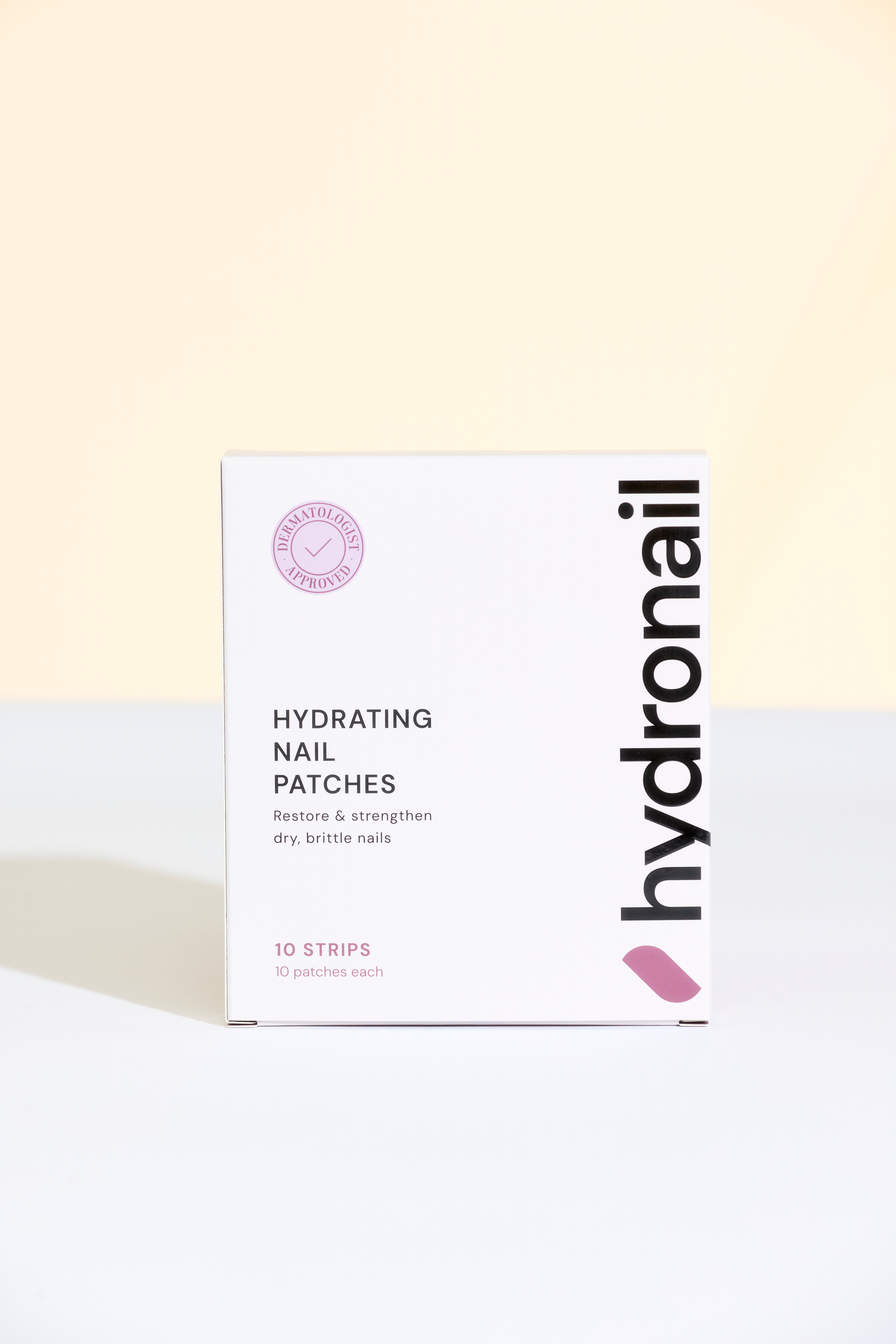
Targeted hydrating treatments can help replenish moisture, support repair processes, and improve nail resilience. HydroNail is designed to provide sustained hydration overnight, offering a practical approach to strengthening brittle nails as part of a regular care routine.
Protect the Cuticle Barrier
Cuticles play an essential role in maintaining nail health and should be handled with care. Rather than cutting or aggressively pushing them back, it’s important to understand that cuticles act as a natural protective barrier, helping shield the nail from damage and irritation.
Dermatologist and nail expert Dana Stern, MD, says that damaging this barrier raises the risk of infection, and it also weakens the nail structure. Moisturizing your cuticles helps protect your nails and promotes smoother growth, and supports long-term nail health.
Limit Water Exposure
Proper hygiene is important, but prolonged water exposure can compromise nail health. Nails absorb far more water than skin, which causes them to swell and soften. Over time, this places stress on the nail structure, increasing the risk of peeling, brittleness, and breakage.
Simple preventative habits, such as wearing gloves while washing dishes or cleaning, can help limit unnecessary water contact. This is why nail experts recommend avoiding nail soaking before a manicure.
Excess moisture not only weakens the nail plate but also creates an environment more prone to infection and prevents polish from adhering properly, reducing wear time and nail durability.
Handle Nails Gently
Gentle handling is one of the most effective ways to protect nails. Using sharp tools, like the pointed end of a nail file, can separate the nail plate from the nail bed. This increases the risk of bacterial or fungal infections and weakens the nail structure.
The same principle applies to everyday habits, such as using nails as tools for prying, scraping, or opening packages. These actions place unnecessary stress on the nail plate and can slow the nail repair process.
Similarly, peeling off gel manicures or nail wraps removes layers of the natural nail, leaving nails thinner, weaker, and more vulnerable to breakage. Using proper removal techniques or professional-grade removal kits helps protect nail integrity and supports stronger, healthier nails over time.
Apply Hair Care Principles to Nail Repair
Hair and nails are both composed primarily of keratin, a structural protein responsible for strength and resilience. For this reason, many principles used in hair care also apply to nail repair. Similar to hair fibers, nails can become dry, weakened, and structurally compromised through repeated exposure to harsh treatments.
Frequent polish removal, gel manicures, and acrylic applications contribute to moisture loss, comparable to the effects of heat styling and chemical processing on hair.
Adequate hydration is essential for maintaining nail integrity. Consistent moisture support, particularly through targeted interventions such as hydrating nail patches, helps improve flexibility and reduce brittleness.
Gentle handling, ongoing hydration, and minimizing damaging cosmetic treatments are key to supporting healthier nail growth over time.
Adjust Nail Care for Seasonal Changes
Low humidity and dry environmental conditions contribute to moisture loss within the nail plate, increasing brittleness and susceptibility to breakage. Rapid temperature changes, such as moving from warm indoor environments to cold outdoor air, can cause subtle expansion and contraction of the nail structure, placing additional stress on the nail plate.
Protective measures during colder months are important for supporting ongoing nail repair. Wearing gloves outdoors helps protect nails from environmental stressors, while regular moisturizing supports nail flexibility and structural integrity.
Consistent hydration of both the hands and nails plays a key role in minimizing seasonal damage and maintaining nail health throughout the year.
Choose Nail Products That Support Nail Repair
The products and tools used in daily nail care have a direct impact on nail repair and long-term nail health. Choosing gentle, evidence-based options over harsh or ineffective products can help reduce structural damage and support stronger, healthier nails over time.
- Nail files: Traditional emery boards can create tiny tears along the nail edge, which may lead to splitting and peeling. Glass or crystal nail files create a smoother finish and place less stress on the nail plate, supporting healthier nail repair.
- Polish remover: Avoiding polish remover entirely is not practical for most people, but choosing the right formula is important. Non-acetone removers that include conditioning ingredients are less drying and help limit moisture loss during polish removal.
- Nail brushes: Cleaning under the nails with sharp or rigid tools can weaken the nail structure and irritate the surrounding skin. Soft nail brushes or a clean, soft-bristled toothbrush effectively remove debris without causing damage.
- Hydrating nail patches: Targeted hydration products, such as hydrating nail patches, can help replenish moisture within the nail plate and support flexibility. When used consistently, they may complement daily nail care by reducing dryness and brittleness.
Prioritize Strength Over Length
Healthy nail growth is a gradual process that requires time and consistent care. Nail strength depends on the health of the nail plate and its ability to maintain structural integrity. Sustainable nail repair is achieved through regular, protective daily habits rather than short-term or aggressive treatments.
When nails are brittle or prone to breaking, maintaining a shorter length helps reduce mechanical stress and limits further damage. As nail strength improves, this approach supports gradual growth, allowing nails to become longer, more resilient, and less likely to fracture over time.
A Smarter, More Sustainable Approach to Healthier Nails
Dry, brittle nails are best managed through consistent, protective nail care rather than aggressive treatments. Maintaining adequate hydration is essential for nail flexibility and strength. This includes preserving the cuticle barrier and minimizing prolonged or repeated exposure to water, which can weaken the nail structure over time.
Using products designed to support hydration and modifying care practices in response to seasonal changes can help maintain nail integrity. Effective nail care focuses on long-term support of nail health throughout the growth cycle, rather than short-term solutions.
When additional support is needed, targeted hydration may complement daily care practices. HydroNail provides focused moisture to help improve nail flexibility and support recovery in brittle nails. Its hydrogel-based format is designed to integrate easily into regular nail care routines.
Read more

Discover nail patches for brittle nails that protect and nourish with proteins and vitamins, helping improve strength, hydration, and overall nail health.
Learn how low iron brittle nails are connected, the signs of iron deficiency in nails, and when brittle nails may indicate other underlying causes.