
Understanding Low Iron and Brittle Nails
Brittle nails can sometimes be a sign of low iron levels. Iron helps carry oxygen through the body, which is important for healthy nail growth and strength. When iron levels are low, nails may become weak, thin, or more prone to breaking.
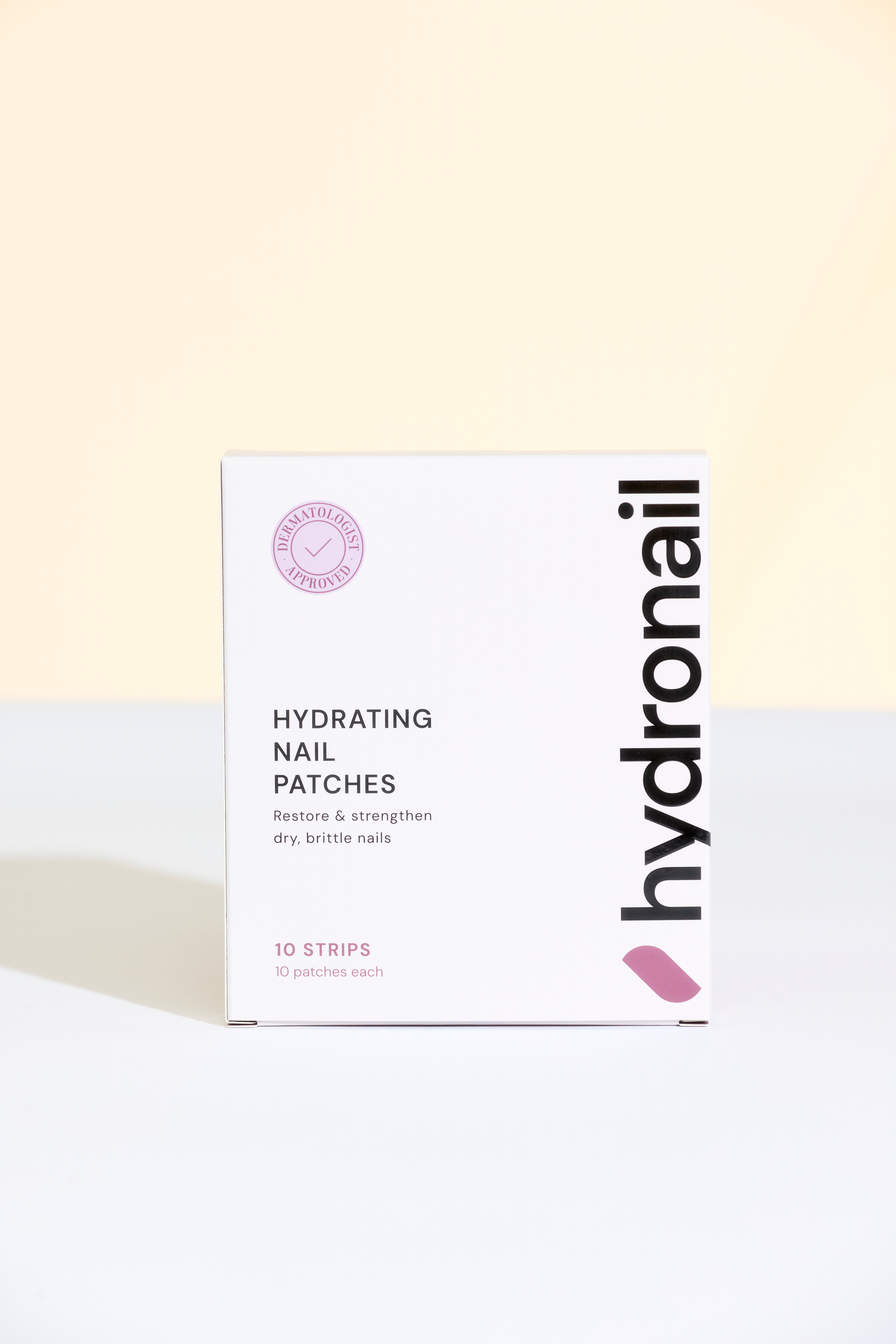
Improving nail health starts with understanding the cause. While iron levels are being evaluated, supportive care can help reduce dryness and breakage. For dry, brittle nails, targeted hydration such as HydroNail can help restore moisture and support stronger, healthier-looking nails.
This blog explains how iron supports nail growth, outlines common nail changes linked to iron deficiency, and discusses dietary sources of iron that contribute to nail health.
Understanding Iron Deficiency
Iron deficiency occurs when the body does not have enough iron to produce adequate levels of hemoglobin. Reduced hemoglobin levels limit oxygen delivery to tissues, which can disrupt normal cellular function across multiple organ systems.
Tissues with ongoing cellular renewal are especially sensitive to reduced oxygen availability. Nails are among these tissues, as normal nail growth depends on continuous cellular activity. When iron levels are low, impaired oxygen delivery may contribute to visible changes in nail quality, including increased fragility and reduced strength.
How Iron Supports Nail Growth and Structure
Iron supports nail growth and structural integrity through its role in oxygen transport. Iron is essential for the production of hemoglobin, the molecule in red blood cells that delivers oxygen to tissues throughout the body, including those involved in nail formation.
Nail-forming cells undergo continuous growth and need a consistent oxygen supply to function effectively. When iron levels are sufficient, these processes act normally, supporting healthy nail growth and maintaining the strength of the nail plate.
When iron levels are low, reduced oxygen delivery can impair nail cell production, leading to slower growth and weakened structure. Clinically, this may present as thin, brittle, or easily splitting nails, and in more pronounced deficiency, characteristic changes such as spoon-shaped nails may be observed.
Nail Changes Associated With Low Iron
Nails need good blood flow and oxygen to grow and stay attached to the nail bed. Changes in iron levels can cause visible changes in nails. The following nail changes may be linked to iron deficiency:
- Spoon-shaped nails (koilonychia): Koilonychia is characterized by nails that become thin and concave, creating a spoon-like shape. These changes are associated with iron deficiency and result from reduced hemoglobin production.
- Brittle or cracked nails: Iron deficiency may weaken the nail structure, making nails more susceptible to splitting, cracking, or breaking. These changes reflect impaired nail growth rather than surface damage alone.
- Pale or white nail beds: Healthy nail beds typically appear pink due to adequate blood flow. In more pronounced cases of low iron, nail beds may look pale or white as a result of reduced circulation and lower oxygen levels in the tissue.
- Nail separation from the nail bed: Proper attachment of the nail plate to the nail bed depends on sufficient blood supply and oxygen. In individuals with low iron, reduced oxygenation may contribute to partial lifting of the nail plate, a condition known as onycholysis.
Dietary Sources of Iron That Support Nail Health
Adequate iron intake is necessary to support normal nail growth and maintain nail strength. Dietary iron comes in two forms. Heme iron is from animal-based foods and is absorbed better, and non-heme iron is found in plant-based foods and is absorbed less efficiently.
Eating a variety of iron-rich foods from different sources can help keep your iron levels healthy. This also supports proper nail growth.
Meats
- Liver
- Beef
- Chicken
- Pork
- Venison
- Lamb
Seafood
- Oysters
- Mussels
- Shrimp
- Clams
- Sardines
- Mackerel
- Tuna
- Scallops
Vegetables
- Spinach
- Kale
- Collard greens
- Beet greens
- Swiss chard
- Sweet potatoes
- Broccoli
- Green beans
Fruits
- Strawberries
- Watermelon
- Figs
- Dates
- Raisins
- Dried apricots
- Prunes
Other iron-containing foods
- Eggs
- Beans and lentils
- Iron-fortified cereals, bread, and pasta
- Molasses
- Peas
- Maple syrup
While these foods provide a strong nutritional foundation, dietary changes alone may not be sufficient to correct clinically significant iron deficiency. Iron supplementation should only be considered under medical supervision, as excessive or unnecessary supplementation can pose health risks.
Why Iron Supplementation Should Not Be Self-Prescribed
Although iron plays an important role in nail health, self-supplementation without medical guidance is not recommended. Iron levels in the body are tightly regulated, and excess iron is not easily eliminated. Unnecessary supplementation can lead to iron accumulation, increasing the risk of iron overload and potential organ damage.
It is also important to recognize that dry, brittle nails are not specific to iron deficiency. Similar nail changes may result from other nutritional deficiencies, underlying medical conditions, natural aging, or external factors such as frequent handwashing, repeated water exposure, or contact with harsh chemicals. Because these causes require different approaches, iron supplementation without confirmed deficiency may not address the true source of the problem.
For individuals primarily concerned with improving dry, brittle nails, supportive nail care strategies are often appropriate while awaiting medical evaluation. Targeted hydration can help improve nail flexibility and reduce breakage. Products such as HydroNail, which are designed to deliver sustained moisture directly to the nail plate, may be helpful as part of a comprehensive nail care routine.
Accurate diagnosis through medical evaluation, including blood testing when indicated, remains essential to ensure that any underlying deficiencies are properly identified and treated safely.
The Diagnostic Approach and Timeline for Nail Recovery
Evaluation of iron status begins with a medical consultation and blood testing to confirm whether iron deficiency is contributing to nail changes. When treated appropriately, nail improvement occurs gradually over three to six months as nails grow out.
During this recovery period, supportive care can help manage dry, brittle nails. Targeted hydration, such as a hydrating nail patch, may help improve nail flexibility and reduce breakage.
Explore HydroNail to support stronger, healthier-looking nails while addressing the root cause of nail fragility.
Read more

Revive dry, brittle nails with simple care tips and hydration treatments. Learn how to strengthen nails using the hydrate-and-moisturize method.
Learn what causes brittle nails and explore 8 nail repair treatments to restore strength, improve hydration, and support healthier nail growth.