
Fingernail Care 101: What to Do and What to Avoid
Fingernails provide early insight into nail health. Changes such as splitting, ridging, discoloration or increased fragility may indicate dehydration or an underlying health condition. Proper maintenance helps protect nail structure and support long-term nail resilience. This guide outlines the key do’s and don’ts for maintaining healthy, well-protected nails.
What’s Normal and When to Be Concerned
Healthy nails are typically smooth, evenly colored and uniform in thickness, without surface pits, grooves or discoloration. However, certain changes may be a sign of underlying issues especially in individuals with very brittle nails. You should seek an evaluation from a primary care provider or dermatologist if you notice:
- A persistent color change affecting the entire nail or a dark streak beneath it
- Altered nail shape including curling or distortion
- Nails becoming unusually thin or thick
- Pitting, dents or pronounced grooves
- Separation of the nail from the surrounding skin
- Bleeding, swelling or pain around the nail
- Nails that stop growing
Do’s in Fingernail Care
Effective fingernail care is essential for maintaining nail integrity. Simple, evidence-based habits can reduce breakage, limit dehydration and support healthier nail growth.
- Keep nails clean and dry: Excess moisture weakens the nail plate and promotes splitting. Wear cotton-lined gloves when washing dishes, cleaning or handling chemicals to minimize prolonged water exposure.
- Trim nails correctly: Cut nails straight across, then gently round the edges to reduce stress points that lead to cracks.
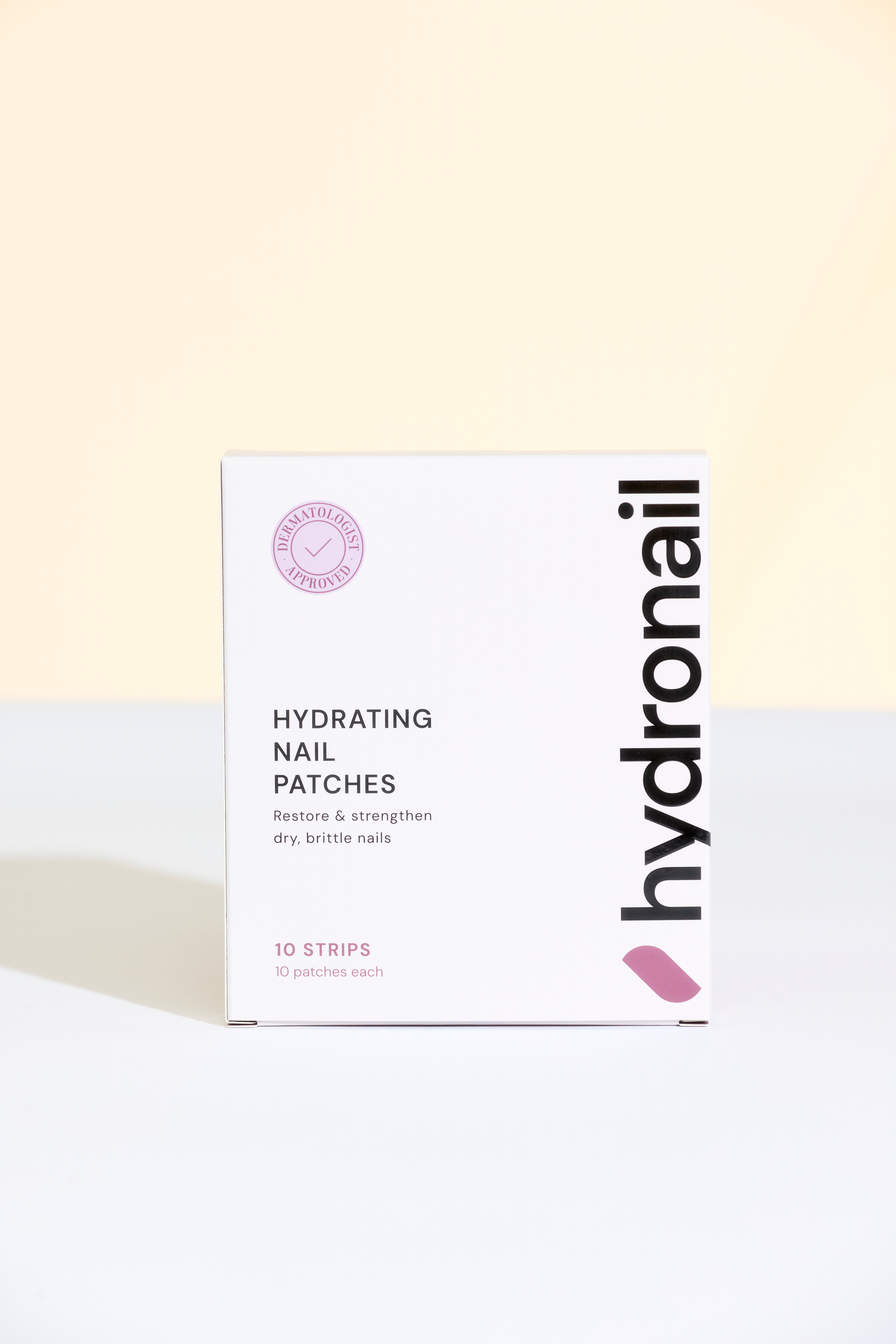
- Moisturize consistently: Apply hand cream or hydrating nail patches to improve hydration.
- Discuss biotin with a healthcare professional: Some evidence suggests biotin supplementation may improve nail strength in people with weak or very brittle nails.
Dont’s in Fingernail Care
To minimize nail damage, especially in cases of brittle nails, avoid the following habits:
- Nail biting or cuticle picking: These behaviors compromise the nail bed and surrounding skin, increasing the risk of infection. Even small breaks in the skin can allow bacteria to enter.
- Tearing off hangnails: Pulling hangnails can damage healthy tissue and trigger inflammation. Trim them carefully with sharp clippers instead.
- Frequent use of harsh nail products: Repeated exposure to acetone-based removers strips natural moisture from the nail plate, contributing to increased dryness and breakage. Opt for non-acetone formulas like the hydrating nail patches.
- Ignoring persistent nail changes: Ongoing splitting, discoloration, pain or detachment may signal an underlying condition and should be evaluated by a healthcare professional or dermatologist.
Maintaining Nail Structure Through Proper Care
Consistent care supports nail strength and limits ongoing damage, particularly in cases of brittle nails. Reducing chemical exposure, maintaining hydration and responding early to visible changes can significantly improve nail resilience. When concerns persist, targeted care solutions such as hydration-focused systems developed by HydroNail can support long-term nail health alongside professional guidance.
Read more
Your nails can be early indicators of nutrient imbalances affecting overall health. This guide highlights five warning signs of a vitamin deficiency for brittle nails, explains when deficiencies be...
Brittle nails are often a sign that the nail plate and surrounding cuticles are not getting enough consistent hydration and protection. This is why many people look for hand creams with natural ing...