
Menopause and Brittle Nails: Why Your Fingernails Change and What Helps
Menopause and Brittle Nails: Why Your Fingernails Change and What Helps
Nail changes during menopause are common, but they can still feel frustrating. Fingernails that once felt strong may start to peel, split, bend, or break before they grow to the length you want. For many women, menopause brittle nails show up gradually and are easy to blame on polish, aging, or everyday wear. In reality, several factors can work together at once.
Hormonal changes, lower moisture retention, frequent handwashing, harsh nail products, and nutritional changes can all affect how nails look and feel. The good news is that brittle nails during menopause are not something you simply have to accept. With consistent care, protection, and targeted hydration, nails can feel smoother, more flexible, and better supported over time.
Why Fingernails Can Change During Menopause
Menopause can affect the skin, hair, and nails because the body goes through hormonal changes that influence moisture, elasticity, and tissue renewal. Nails are made mostly of keratin, but they still need moisture and healthy growth conditions to stay flexible. When nails lose moisture, they can become harder, thinner, more rigid, and more likely to crack.
Menopause fingernails may also become more vulnerable to daily stress. Washing dishes, using cleaning products, applying polish remover, or wearing gel manicures can remove moisture from the nail plate. If your nails are already dry, these habits can make splitting and peeling worse.
Common Signs of Menopause Related Nail Changes
Brittle nails do not look the same for everyone. Some people notice small changes, while others experience nails that break constantly. Common signs include:
· Peeling at the tips
· Splitting along the edges
· Vertical ridges
· Nails that feel thinner than usual
· Breakage before nails can grow longer
· Dry cuticles or rough skin around the nails
· A chalky, rough, or dull nail surface
Vertical ridges are often common with age and may not be a concern on their own. However, sudden changes, deep ridges, discoloration, pain, lifting from the nail bed, or nail changes that happen along with fatigue, hair thinning, or weight changes should be discussed with a healthcare professional.
Is It Hormones, Aging, Dryness, or a Deficiency?
Menopause and brittle nails can be connected, but hormones are not always the only reason nails weaken. Dryness is one of the biggest contributors to brittle nails. Frequent exposure to water can cause nails to swell and then dry out repeatedly, which places stress on the nail plate. Harsh removers and salon treatments can also strip moisture and thin the nail surface.
Nutritional status can matter too. Low iron, low protein intake, and certain vitamin deficiencies may contribute to weak or brittle nails in some people. Because dry, brittle nails can come from many causes, it is best to avoid guessing with supplements. If your nail changes are persistent, severe, or paired with other symptoms, testing through a healthcare provider is the safest next step.
How to Care for Brittle Nails During Menopause
The best routine focuses on hydration, protection, and patience. Nails grow slowly, so visible improvement usually happens gradually as healthier nail grows in.
1. Hydrate the nail plate consistently
Moisture helps nails stay flexible. Hand cream can help the skin and cuticles, but dry nails often need more focused support. A hydrating nail patch can provide prolonged contact with the nail surface and help reduce the dryness that contributes to peeling and breakage.
2. Protect nails from water and cleaning products
Wear gloves when washing dishes, cleaning, gardening, or handling chemicals. This simple habit can make a meaningful difference because it limits repeated water exposure and reduces contact with ingredients that strip the nail surface.
3. Be careful with polish remover
Acetone and frequent polish removal can make dry nails feel even more brittle. If you use polish, choose a gentler remover when possible and give nails breaks between manicures.
4. Avoid aggressive buffing
Buffing can make ridges look smoother temporarily, but it also removes part of the nail plate. If nails are already thin or brittle, aggressive buffing can make them weaker.
5. Keep nails shorter while they recover
Shorter nails experience less bending and catching. Keeping nails neatly trimmed can reduce splitting while you work on strengthening and hydration.
Where HydroNail Fits In
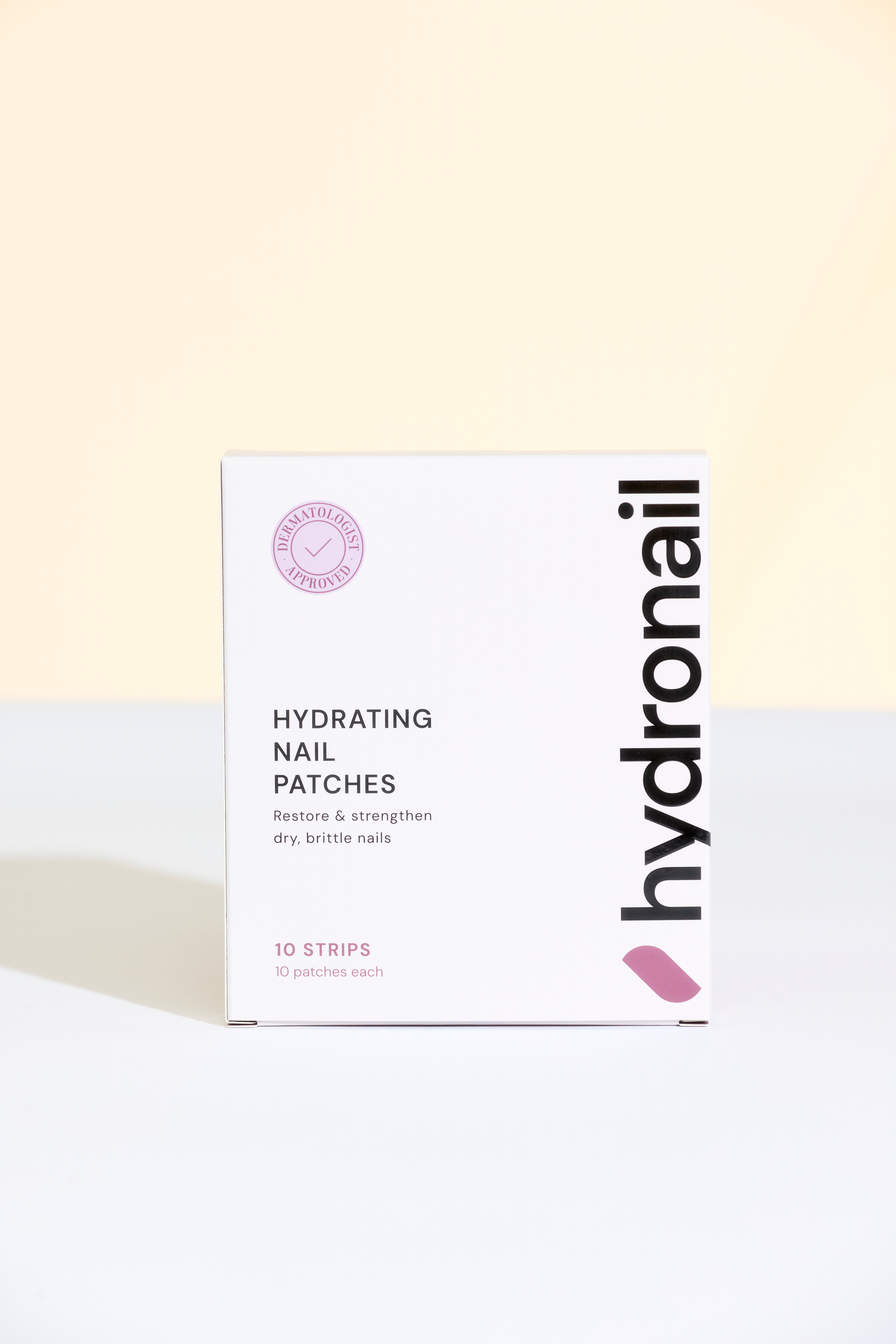
HydroNail is designed for dry, brittle nails that need targeted hydration without a messy routine. The hydrogel patch format helps maintain contact with the nail while you sleep, making it easier to support nail moisture consistently. For menopause brittle nails, that consistency matters.
Use HydroNail as part of a broader nail care routine that includes gloves, gentle filing, cuticle care, and breaks from harsh salon treatments. It is not meant to replace medical care when an underlying condition is present, but it can help support the dryness and fragility that many people notice during midlife.
FAQ
Can menopause cause brittle nails?
Menopause may contribute to brittle nails because hormonal changes can affect moisture retention and nail quality. Aging, dryness, water exposure, and nail products can also play a role.
Why are my fingernails peeling during menopause?
Peeling often happens when nails are dry, damaged, or repeatedly exposed to water and chemicals. During menopause, nails may become more vulnerable to these everyday stressors.
What helps brittle nails after 40?
Consistent hydration, protective gloves, gentle filing, shorter nail length, and avoiding harsh removers or aggressive manicures can all help support stronger nails over time.
When should I ask a doctor about brittle nails?
Speak with a healthcare professional if brittle nails are severe, persistent, sudden, painful, discolored, lifting from the nail bed, or paired with symptoms such as fatigue, hair thinning, or unexplained weight changes.
Read more
Brittle nails are rarely just a cosmetic issue. If your nails split, peel, or break easily, your body may be signaling an underlying problem. A common question is what deficiency causes brittle nai...
When nails start peeling, splitting, or breaking easily, it is natural to wonder if something is missing from your diet. Searches for vitamin deficiency for brittle nails are common because nails c...