
What Deficiency Causes Brittle Nails? The Complete Guide
Brittle nails are rarely just a cosmetic issue. If your nails split, peel, or break easily, your body may be signaling an underlying problem. A common question is what deficiency causes brittle nails and how to fix it before it gets worse.
In many cases, nail fragility is linked to nutrient deficiencies. Iron, biotin, zinc, and essential vitamins all play a role in nail strength, growth, and structure. When these levels drop, your nails are often one of the first visible signs.
This guide breaks down the most common deficiencies, how to recognize them, and what steps to take next.
What Deficiency Causes Brittle Nails Most Often?
There is no single cause. Brittle nails can result from diet, age, hormones, and overall health. However, certain nutrient deficiencies appear more consistently.
How Iron Deficiency Affects Nails
Iron deficiency is one of the most well-documented causes of brittle nails.
Low iron reduces oxygen delivery to the nail matrix, where nail growth begins. Over time, nails may become thin, weak, and develop a spoon-like shape.
Common signs include:
-
Pale or ridged nails
-
Fatigue and low energy
-
Hair shedding
-
Cold hands and feet
Iron deficiency is especially common in women over 30, particularly during menstruation or menopause transitions.
How Biotin Deficiency Impacts Nail Strength
Biotin supports keratin production, the protein that forms your nails.
Low biotin levels often lead to:
-
Splitting nails
-
Slow nail growth
-
Dry skin
-
Hair thinning
Research suggests that biotin supplementation can improve nail thickness in people with brittle nails.
How Zinc Deficiency Shows Up in Nails
Zinc plays a key role in cell growth and repair. When levels are low, nails struggle to regenerate properly.
Typical signs include:
-
White spots on nails
-
Weak nail structure
-
Frequent peeling
Zinc deficiency is often overlooked but can occur in people with restrictive diets or absorption issues.
How Vitamin C Deficiency Affects Nail Health
Vitamin C supports collagen production, which strengthens the nail bed and surrounding tissue.
Low levels can result in weaker nails that break easily, along with:
-
Bleeding gums
-
Easy bruising
-
Slower wound healing
Can Protein Deficiency Cause Brittle Nails?
Yes. Nails are made of keratin, a structural protein. If your diet lacks sufficient protein, your body prioritizes essential functions over nail growth.
This can lead to thinner, weaker nails that struggle to grow properly.
What Vitamins Help Prevent Brittle Nails?
Nail health depends on multiple nutrients working together, not just one.
Key vitamins include:
-
Vitamin B7 (Biotin)
-
Vitamin B12
-
Vitamin D
-
Vitamin C
Each supports different functions, from red blood cell production to collagen formation.
Why Women Over 30 Are More Prone to Brittle Nails
There is a noticeable pattern, especially among women approaching menopause.
Hormonal changes play a role. As estrogen levels decline, nails tend to become drier and more fragile due to reduced hydration and keratin support.
At the same time, nutrient absorption becomes less efficient with age. Even with a balanced diet, the body may not utilize nutrients as effectively.
Chronic stress can also impact digestion and nutrient uptake, indirectly affecting nail strength.
How to Tell If Brittle Nails Are Caused by a Deficiency
Not all brittle nails come from internal causes. External damage can produce similar symptoms.
Signs that suggest a deficiency include:
-
Thin, soft nails
-
Slow growth
-
Additional symptoms like fatigue or hair loss
External causes are more likely if nails are exposed to frequent water, harsh chemicals, gel or acrylic treatments, or excessive use of removers.
How to Fix Brittle Nails from the Inside Out
Fixing brittle nails starts with addressing the root cause, not just the surface.
Correct the Deficiency
Focus on nutrient-dense foods first.
Good sources include:
-
Iron from red meat, spinach, and lentils
-
Biotin from eggs, nuts, and seeds
-
Zinc from shellfish, pumpkin seeds, and chickpeas
Supplements can help, but they are most effective when a deficiency has been confirmed.
Support Nail Growth Externally
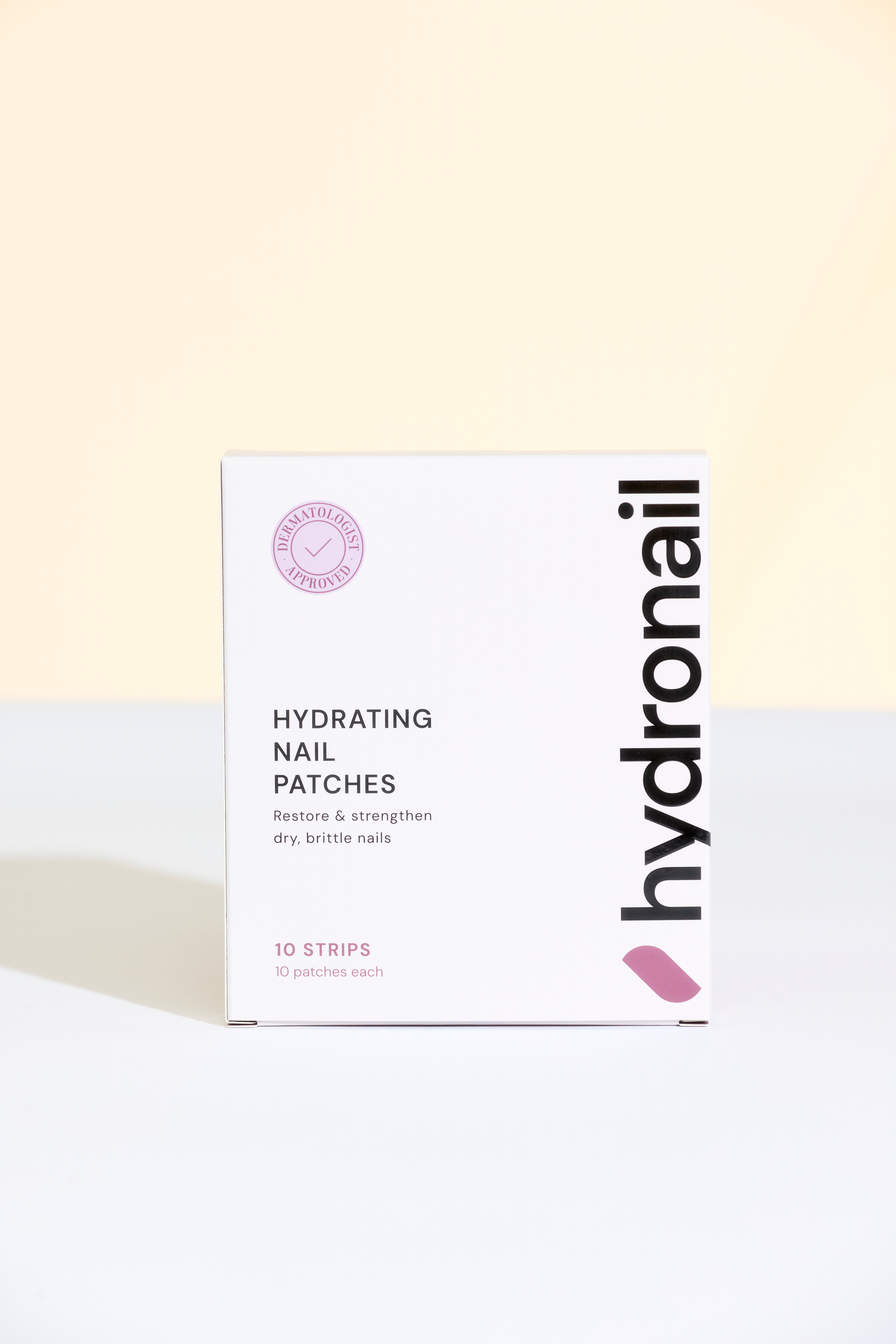
Internal improvements take time. External care helps prevent additional damage during recovery.
Reduce Daily Nail Damage
Small habits make a big difference:
-
Limit prolonged water exposure
-
Use gloves when cleaning
-
Avoid harsh nail products
Consistency is key to preventing setbacks.
How Hair, Skin, and Nails Are Connected
Hair, skin, and nails rely on the same nutrients. When one shows signs of weakness, the others often follow.
You may notice:
-
Hair thinning
-
Dry skin
-
Weak nails
Supporting overall nutrient balance leads to better results across all three.
When to See a Doctor for Brittle Nails
In some cases, brittle nails may indicate a deeper health issue.
Consider seeking medical advice if you experience:
-
Severe nail deformities
-
Sudden color changes
-
Persistent fatigue
-
No improvement after dietary changes
Conditions like anemia or thyroid disorders may require proper evaluation.
Common Mistakes That Make Brittle Nails Worse
One of the biggest mistakes is relying only on nail products. Topical treatments help, but they do not address internal deficiencies.
Other common issues include:
-
Taking random supplements without testing
-
Ignoring early warning signs
-
Inconsistent routines
By the time nails become severely brittle, deficiencies may have been present for months.
Simple Routine for Stronger Nails
A practical, consistent routine makes the biggest difference:
-
Get basic blood work done
-
Improve diet with whole foods
-
Add targeted supplements if needed
-
Protect nails from daily damage
-
Stay consistent for 8 to 12 weeks
Frequently Asked Questions About Brittle Nails and Deficiencies
What deficiency is most common for brittle nails?
Iron deficiency is one of the most common causes, followed by biotin and zinc deficiencies.
Can vitamin deficiency cause nails to peel?
Yes. Low levels of biotin, vitamin C, and other nutrients can lead to peeling and weak nails.
How long does it take to fix brittle nails from deficiency?
It typically takes several weeks to months, depending on how quickly the deficiency is corrected.
Should I take supplements for brittle nails?
Supplements can help, but it is best to confirm a deficiency with a healthcare provider first.
Are brittle nails always caused by deficiency?
No. External factors like water exposure, chemicals, and nail treatments can also contribute.
What Actually Improves Brittle Nails Over Time
Brittle nails rarely improve from a single change. In most cases, they reflect a combination of internal imbalance and external stress built over time.
Addressing nutrient intake is essential, but daily habits determine long-term results. When nails are consistently hydrated and protected from repeated stress, they become more flexible and less prone to breaking.
A combined approach that focuses on internal support and consistent care produces the most reliable, long-term improvement.
Read more

Your manicure looked perfect for weeks, then suddenly your nails feel thin, bendy, and rough. If you’re dealing with nails damaged after gel removal, you’re not imagining it. The damage is real, bu...

Menopause and Brittle Nails: Why Your Fingernails Change and What Helps Nail changes during menopause are common, but they can still feel frustrating. Fingernails that once felt strong may start t...