
Menopause & Brittle Nails: What Causes It & What to Do
Research shows that more than 65% of women experience a decline in nail quality during menopause often reporting that their nails feel weak or brittle. Nutrient gaps and age-related changes can further affect nail structure which makes a brittle nail increasingly common. This blog explores why nails weaken during menopause and highlights the most common symptoms.
What Are Brittle Nails?
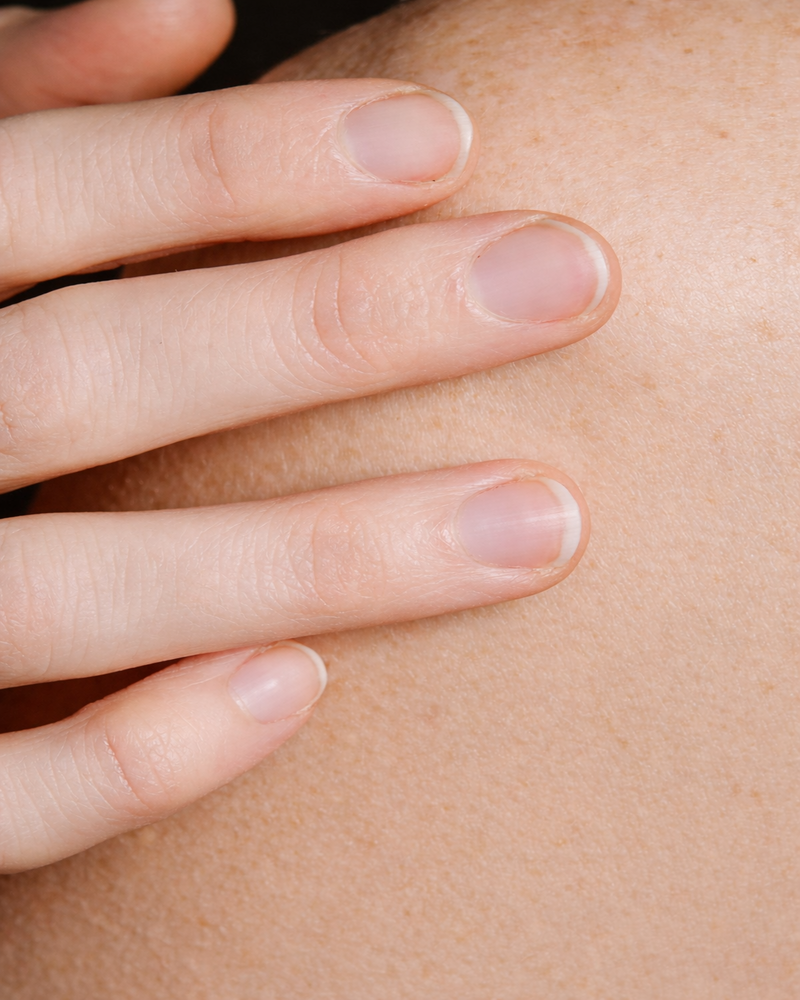
Healthy fingernails are naturally smooth, shiny and made up of tightly packed keratinocytes. When nails become brittle they often appear softer, uneven and more prone to splitting. This change typically occurs when gaps develop between the keratinocytes which can result from dehydration, reduced blood circulation or age-related structural changes. Although fragile nails are usually not painful, they can interfere with daily activities and make simple tasks more difficult.
Why Menopause Causes Changes in Fingernail Health
The connection between brittle nails and hormonal changes is complex. Several physiological changes during menopause can directly or indirectly weaken the nails which makes them thinner, drier and more prone to breakage.
Hormonal Shifts That Affect Nail Strength
Keratinocytes depend heavily on estrogen. Keratin is the structural protein that gives nails their durability. When estrogen levels decline during menopause the keratin production decreases as well which leads to weaker and more brittle nails.
Research also shows that estrogen supports collagen synthesis which is another key component in maintaining nail structure. Reduced collagen further contributes to nail fragility during menopause.
How Nutrient Gaps Can Weaken the Nails
Menopause increases the body’s demand for essential nutrients such as iron, biotin and vitamin B12. Without adjusting dietary intake to meet these needs, women may become deficient. Aging can also reduce the efficiency of nutrient absorption in the gut which makes these deficiencies more likely. Since these nutrients play vital roles in nail growth and repair, low levels can intensify brittleness and slow down healthy regrowth.
The Role of Natural Aging in Nail Changes
Nail brittleness becomes more common with age due to slow, gradual changes in nail structure and growth. Expert sources like MedlinePlus note that aging nails grow more slowly, lose moisture and become more fragile which often leads to cracking or splitting. Reduced blood circulation may further contribute by limiting nutrient delivery to the nail matrix. Together, these age-related changes make brittle nails increasingly likely as people get older.
Symptoms of Brittle Nail
Common signs that you may be experiencing a brittle nail include:
- Thin or soft nails that break easily
- Peeling or flaking often starts at the tips
- Dry and fragile texture with reduced shine
- Ridges or uneven lines along the nail surface
How To Manage A Brittle Nail During Menopause
Although nail changes are common during menopause they can often be improved with simple habits. The strategies below can help strengthen the nails and support overall wellness during this transition.
Nutrient-Rich Foods That Support Nail Strength
A balanced diet is important for maintaining healthy nails. These nutrient-dense foods may help reduce the effects of menopause brittle nails:
- Fish like herring, salmon and mackerel provide a rich supply of omega-3 fatty acids.
- Fresh fruits are an excellent natural source of vitamin C.
- Eggs are an excellent source of protein.
- Seafood is loaded with zinc to support immunity and nail repair.
- Nuts and seeds are rich in biotin, protein and vitamin E which are essential for cell growth.
- Leafy greens offer essential vitamins and minerals for nail strength.
- Water-rich foods like cucumber and watermelon help maintain hydration for healthier nails.
Supplements to Consider
Some nutrients naturally decrease during menopause and supplements may help address these deficiencies. However, not everyone with a brittle nail will need supplementation and medical guidance is recommended before starting anything new.
- Biotin: Supports keratin production and helps keep nail cells tightly structured. Research shows biotin may improve nail thickness by up to 25% in people who are deficient though results may take 6–9 months.
- Calcium: Helps strengthen nails and reduce ridging but excessive intake can pose heart risks so physician approval is essential.
- Zinc: Long-term zinc supplementation has been shown to improve nail strength in individuals with zinc deficiency.
Moisturizers
Moisturizing the nails is essential for reducing dryness associated with brittle nail. Products formulated with lanolin or petrolatum create an occlusive barrier that helps lock in moisture and protect the nail bed from dehydration. Hydrating formulas with alpha hydroxy acids can also improve nail flexibility and overall nail-bed health.
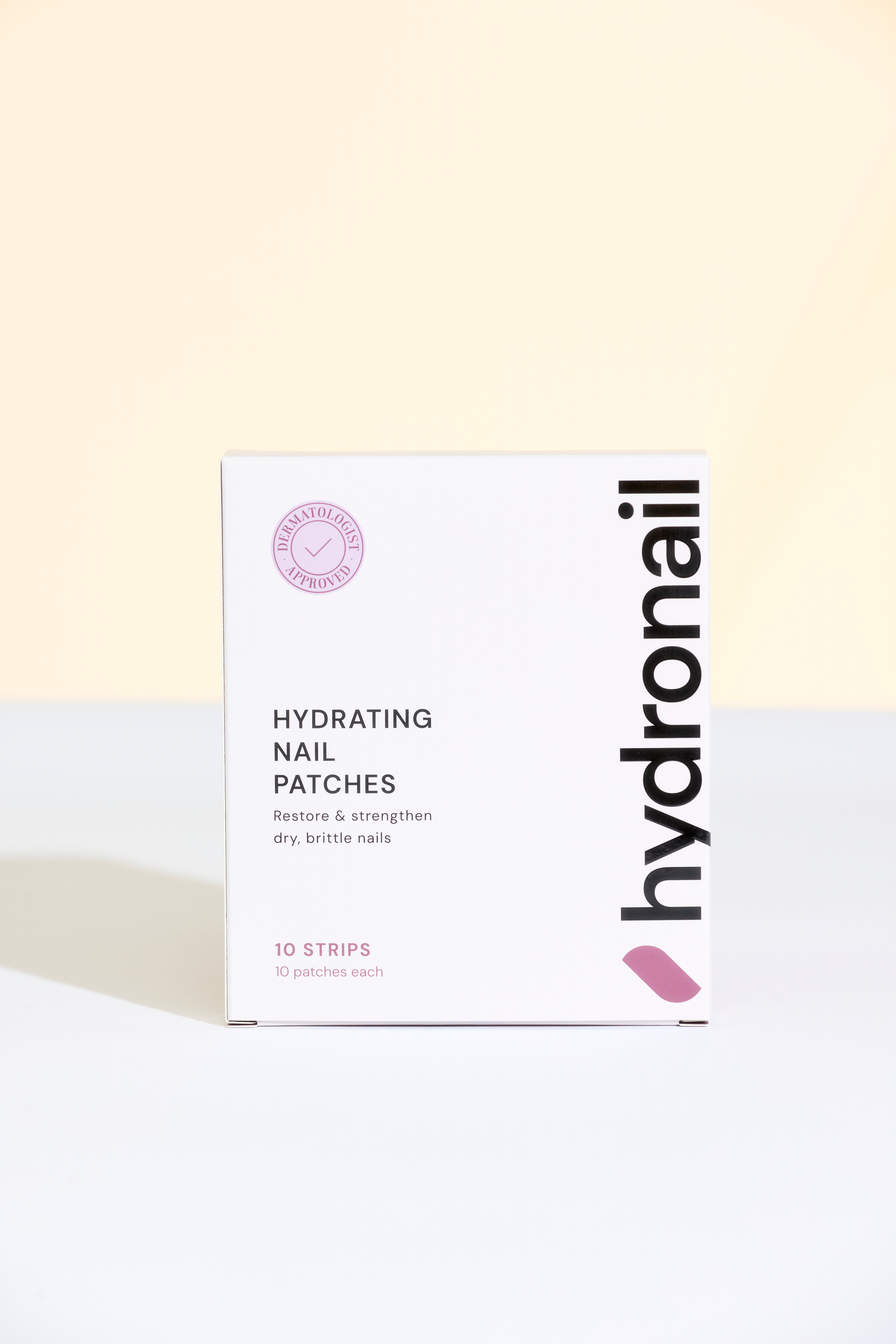
For additional hydration, the Hydrating Nail Patch offers concentrated moisture support designed to strengthen and replenish dry, fragile nails.
Nail Care Practices for Healthier Nails
Proper nail care can help reduce the effects of brittle nail and support overall nail strength. Key nail care practices include:
- Trimming nails evenly across and carefully soften the edges afterward.
- Keeping cuticles intact to protect the nail bed
- Avoiding harsh polishes, removers and overly abrasive treatments
For added support, incorporating targeted hydration can make a noticeable difference. The Hydrating Nail Patch provides concentrated moisture that helps replenish dry, fragile nails and complements your daily nail-care routine.
Strengthening Nails During Menopause
If you’re experiencing brittle nail, you’re not alone and it’s a concern that can be effectively managed. Consistent and gentle care plays a key role in improving nail strength. Prioritizing a nutrient-rich diet, staying hydrated and protecting your nails can all help reduce breakage.
For added support, HydroNail’s Hydrating Nail Patch provides targeted moisture that enhances nail resilience. With a balanced routine, your nails can become noticeably smoother, stronger and healthier throughout the menopause transition.
Read more
This article explores what are the causes of brittle nails and thinning hair by uncovering 7 reasons from nutrient deficiencies, dehydration, hormonal changes, chemical exposure and stress. It prov...
This blog explores which nail care brands offer treatments specifically for brittle nails, highlighting simple yet effective solutions designed to restore hydration and reinforce the nail plate. It...