
Nail Hydration Treatment: The Complete Guide to Stronger, Healthier Nails
Dry, brittle nails don’t repair themselves. A proper nail hydration treatment is essential for restoring strength, smoothness, and long-term nail health.
If your nails peel, split, or feel thin, the problem usually isn’t polish, it’s moisture loss. Well-hydrated nails grow more evenly, resist breakage, and hold polish longer. When you fix hydration first, everything else improves.
Why Nail Hydration Is Essential for Healthy Nails
Nails are made of keratin, but hydration determines how well that structure holds together. When moisture levels drop, the layers begin to separate, leading to:
-
Peeling
-
Cracking
-
Rough texture
-
Increased breakage
Water alone isn’t enough. In fact, overexposure to water can weaken nails further.
A proper nail hydration treatment works by:
-
Replenishing moisture within the nail plate
-
Sealing the surface to prevent moisture loss
-
Supporting repair in damaged areas
Without hydration, other nail treatments become less effective.
Step-by-Step Nail Hydration Treatment Process
The most effective routine is simple, targeted, and consistent.
1. Clean Nails Without Stripping Natural Oils
Use a gentle, non-drying remover or cleanser. Avoid acetone-heavy formulas unless necessary, as they strip natural oils and worsen dryness.
2. Light Buffing (Optional)
Buff only rough or peeling areas using a fine-grit buffer.
Avoid over-buffing, as it thins the nail and causes long-term damage.
3. Apply Hydrating Ingredients
Look for treatments with:
-
Glycerin to attract moisture
-
Jojoba oil for deep penetration
-
Vitamin E to support repair
Apply a small amount evenly. One drop per nail is typically enough.
4. Seal in Moisture
Hydration without sealing evaporates quickly. Follow with cuticle oil and massage into the nail and surrounding skin to lock in moisture and improve circulation.
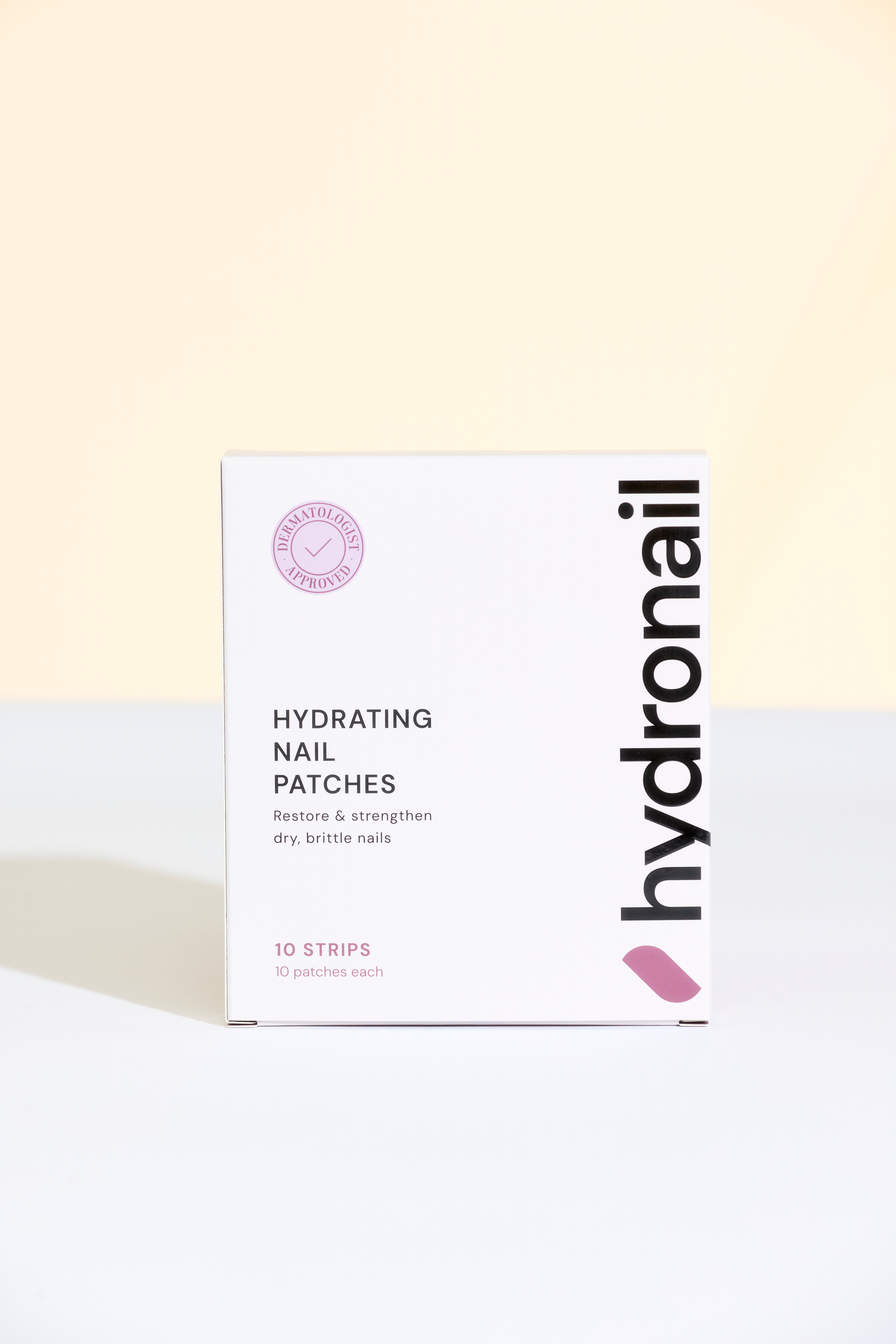
5. Use Nail Patches for Intensive Repair
For brittle or damaged nails, hydration alone may not be enough. Nail patches provide:
-
Long-lasting hydration
-
Targeted repair
-
Protection from daily damage
They create a controlled environment that allows active ingredients to work more effectively.
Signs You Need a Nail Hydration Treatment
Some nails require more than basic care. You may need intensive hydration if you notice:
-
Peeling at the tips
-
White patches
-
Rough texture
-
Frequent breakage
-
Nails that bend easily
In these cases, repair-focused treatments offer better results than basic maintenance.
Nail Patches vs Traditional Nail Treatments
Both methods serve different purposes:
Traditional Treatments
-
Quick and easy to apply
-
Best for maintenance
-
Require frequent reapplication
Nail Patches
-
Provide long-lasting hydration
-
Deliver continuous treatment
-
Ideal for visible damage and recovery
For best results, combine both approaches in your routine.
Common Nail Hydration Mistakes to Avoid
Even a good routine can fail if these habits continue:
-
Overwashing without rehydrating
-
Skipping cuticle care
-
Using harsh removers or low-quality products
-
Inconsistent treatment routines
Consistency is key. One treatment won’t fix ongoing dryness.
How Often Should You Hydrate Your Nails
The right frequency depends on your nail condition:
-
Healthy nails: 2–3 times per week
-
Dry or brittle nails: Daily hydration
-
Severely damaged nails: Continuous repair with nail patches
Regular care delivers better results than occasional intensive treatments.
Simple Weekly Nail Hydration Routine
Keep your routine realistic and easy to maintain:
-
Daily: Apply cuticle oil once or twice
-
2–3 times per week: Full nail hydration treatment
-
Weekly: Use nail patches for added repair (if needed)
Results of Proper Nail Hydration
With consistent hydration, you can expect:
-
Stronger nail structure
-
Smoother surface
-
Reduced chipping and splitting
-
More even polish application
Hydrated nails maintain their appearance even without polish.
FAQs About Nail Hydration Treatment
How long does it take to repair dry nails?
Most people see improvement within 1–2 weeks. Stronger nails develop over several weeks with consistent care.
Can hydration fix peeling nails?
Yes. Proper hydration restores flexibility, reducing peeling and splitting over time.
Should I hydrate my nails every day?
Daily hydration is recommended for dry or brittle nails, especially with frequent exposure to water or chemicals.
Are nail patches better than oils?
Nail patches provide longer-lasting hydration, while oils are best for daily maintenance and sealing moisture.
What causes brittle nails?
Frequent handwashing, acetone use, dehydration, and exposure to harsh chemicals are common causes.
How to Maintain Nail Hydration Long-Term
Nail hydration isn’t a one-time fix. It’s a consistent process that impacts how your nails respond to daily wear and treatments.
When moisture levels are maintained:
-
Nails become more flexible
-
Splitting and breakage decrease
-
Overall nail strength improves
The key is using methods that both deliver and retain moisture. Hydration-focused treatments designed for sustained moisture can significantly improve resilience over time.
Read more
Most people misdiagnose their nails. Peeling, splitting, or rough texture often gets labeled as damage, when in many cases it’s actually dehydration. Understanding the difference between damaged na...

You’re applying oil daily, maybe even twice a day, and your nails still feel rough, brittle, and dry. If nail oil not working sounds familiar, the issue usually isn’t the product itself. It comes d...