
Damaged Nails vs Dehydrated Nails: How to Tell the Difference
Most people misdiagnose their nails. Peeling, splitting, or rough texture often gets labeled as damage, when in many cases it’s actually dehydration.
Understanding the difference between damaged nails vs dehydrated nails determines whether you fix the issue or make it worse. Treat dehydration like damage and you overload the nail. Treat damage like dryness and recovery slows down.
If your nails feel off but you’re not sure why, this guide will help you identify the problem and choose the right treatment.
What Is the Difference Between Damaged and Dehydrated Nails?
The core difference comes down to moisture vs structure.
Dehydrated nails typically show:
-
Dry, rough texture
-
Dull or chalky appearance
-
Slight rigidity
-
Quick improvement with hydration
Damaged nails typically show:
-
Thin, weak nail structure
-
Peeling, splitting, or cracking
-
Excessive softness or brittleness
-
Structural breakdown that needs repair
Dehydration affects how your nails feel. Damage affects how your nails hold together.
Symptoms of Dehydrated Nails
Dehydration is one of the most common nail issues and is often mistaken for damage.
Common signs include:
-
Dry or rough surface
-
Dull appearance instead of natural shine
-
White patches after removing polish
-
Reduced flexibility
-
Dry or flaky cuticles
These signs point to moisture loss, not structural damage.
Frequent handwashing, harsh removers, and repeated water exposure strip natural oils from the nail. This leaves the nail plate stiff and brittle at the surface.
Because dehydration is often misdiagnosed, many people reach for strengthening products when hydration is what their nails actually need.
Signs of Nail Damage
Damage goes beyond surface dryness and affects the nail’s structure.
Common indicators include:
-
Peeling layers at the tips
-
Cracks extending down the nail
-
Excessive thinning
-
Nails that break easily
-
Irregular shape or ridging
These issues are often caused by over-filing, aggressive buffing, improper gel or acrylic removal, repeated trauma, or chemical exposure.
When the nail plate is compromised, hydration alone will not fix the issue. Protection and regrowth become the priority.
Are Dry Nails and Brittle Nails the Same?
These terms are often used interchangeably, but they are not identical.
Dry nails are caused by moisture loss and tend to feel rough or stiff. They typically improve quickly with proper hydration.
Brittle nails involve both dehydration and structural weakness. They break or split easily and require both hydration and strengthening support.
How to Tell if Your Nails Are Dehydrated or Damaged
This is where most confusion happens, but a simple approach can help.
Do Dehydrated Nails Improve Quickly?
Yes. If hydration is the issue, you’ll often see improvement within a few days using nail oil, gentle routines, and reduced exposure to drying factors.
Do Damaged Nails Take Longer to Heal?
Yes. Structural damage requires time to grow out. Recovery depends on protecting the nail and avoiding further stress.
Simple Test You Can Use
Apply nail oil and observe the result:
-
If your nails look and feel better quickly, dehydration is likely the issue
-
If peeling or cracking continues, structural damage is more likely
This quick test helps guide the right treatment approach.
What Causes Nail Dehydration?
Dehydration is usually driven by daily habits.
Common causes include:
-
Frequent handwashing
-
Alcohol-based sanitizers
-
Acetone removers
-
Lack of consistent nail oil use
-
Dry environments
Water exposure plays a major role. Nails absorb water, expand, then contract as they dry, which weakens them over time.
What Causes Nail Damage?
Damage typically has more direct physical causes.
These include:
-
Picking or peeling gel polish
-
Over-buffing
-
Using nails as tools
-
Exposure to harsh chemicals
-
Poor salon practices
Because damage is often behavioral, changing habits is essential for recovery.
How to Treat Dehydrated Nails
If you’re unsure, starting with hydration is usually the safest approach.
A consistent routine includes:
-
Applying nail oil two to three times daily
-
Using non-acetone remover when possible
-
Limiting excessive water exposure
-
Avoiding over-buffing
-
Adding a protective polish layer
Consistency matters more than intensity.
How to Treat Damaged Nails
Damage requires a shift toward protection and controlled recovery.
Effective steps include:
-
Keeping nails short to reduce stress
-
Using strengthening treatments carefully
-
Avoiding gel or acrylic applications
-
Maintaining hydration
You’re not fixing the nail instantly. You’re supporting healthier growth over time.
What If Your Nails Are Both Dehydrated and Damaged?
This is very common, especially after gel removal.
You may notice:
-
Dry surface
-
Peeling tips
-
Weak structure
Start with hydration to restore flexibility. Once the nail improves, introduce light strengthening.
Avoid layering too many treatments at once, as this can increase stress on the nail.
How Internal and External Factors Affect Nail Health
Topical care plays a major role, but internal factors also influence results.
Consider:
-
Hydration levels
-
Diet and nutrient intake
-
Overall nail care habits
External treatments improve surface condition, while internal support strengthens nails long-term.
Frequently Asked Questions About Damaged vs Dehydrated Nails
How do I know if my nails are dehydrated or damaged?
If your nails improve quickly with hydration, they are likely dehydrated. If they continue to peel or break, structural damage may be present.
Can dehydrated nails become damaged?
Yes. Long-term dehydration can weaken the nail and eventually lead to structural damage.
Should I use strengthening products for dry nails?
Not always. Hydration should come first before adding strengthening treatments.
How long does it take to repair damaged nails?
Recovery can take several weeks to months depending on growth and care.
What is the fastest way to improve dry nails?
Consistent hydration using water exposure, followed by oil and protection, is the most effective approach.
How to Choose the Right Treatment for Your Nail Condition
The difference between damaged and dehydrated nails comes down to what your nails actually need. Hydration restores flexibility, while repair supports structure and regrowth.
When nails are only dehydrated, consistent moisture can improve their condition relatively quickly. When structural damage is present, recovery depends on protecting the nail while allowing healthier growth over time.
For nails that show both dryness and weakness, combining hydration with targeted support creates a more balanced and effective recovery approach.
Read more
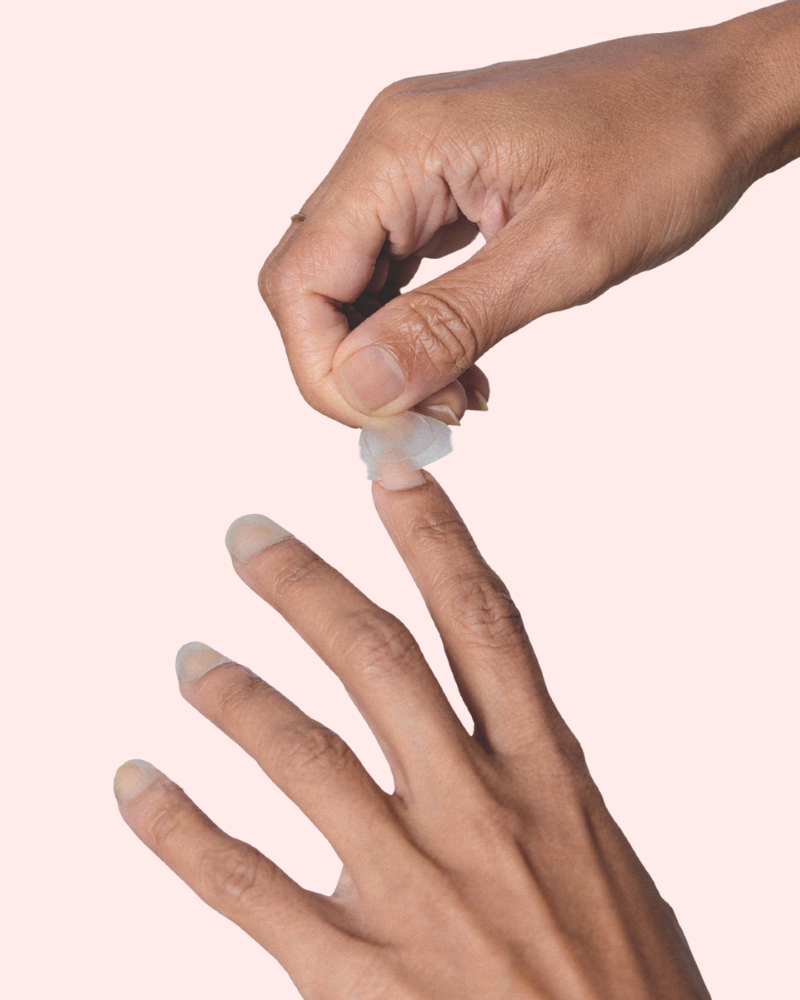
Hydrogel nail care helps hydrate dry nails, reduce brittleness, and support healthier nail growth with moisture-rich treatments.
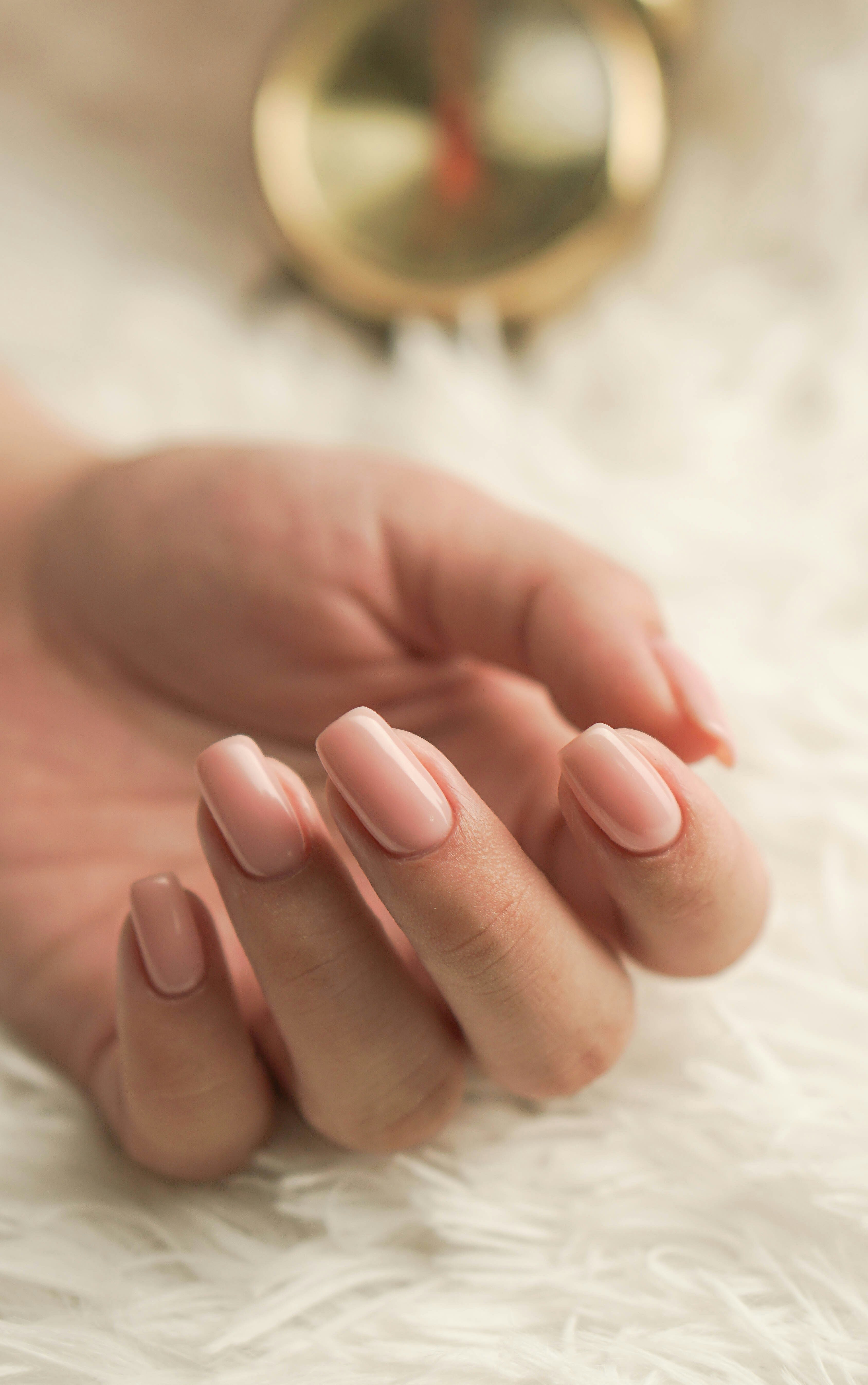
Dry, brittle nails don’t repair themselves. A proper nail hydration treatment is essential for restoring strength, smoothness, and long-term nail health. If your nails peel, split, or feel thin, th...