
What Causes Brittle Nails And Ridges?
Nails can serve as indicators of underlying health conditions. Brittle nails with visible ridges indicate disrupted nail growth. Common causes include aging, exposure to water and chemicals, nutrient deficiencies, dehydration, and various health issues. As nails age, their growth rate decelerates, moisture levels diminish, and increased fragility becomes evident.
This blog explores the causes of nail ridges, effective treatment strategies, and valuable insights for addressing this common issue.
What Causes Ridges to Form on Nails?
Nail ridges are common and can appear for different reasons depending on whether they run vertically or horizontally. Understanding the cause of nail ridges helps determine whether the issue is related to aging, lifestyle habits, or an underlying health concern.
Causes of Vertical Nail Ridges
Vertical ridges, which run from the cuticle to the tip of the nail, are often linked to the natural aging process. As nails age, growth slows, and moisture levels decrease, resulting in drier and more brittle nails. These changes can cause ridges to become more visible over time.
Vertical ridges may also be associated with nutritional deficiencies. Low levels of iron, protein, or folic acid can affect nail structure and growth. Individuals with restrictive diets or absorption issues may notice these changes more prominently.
Certain health conditions can also influence vertical ridging, including:
- Chronic dehydration that dries out the nail plate
- Inflammatory skin conditions such as psoriasis or lichen planus
- Thyroid disorders, particularly hypothyroidism
- Autoimmune conditions like rheumatoid arthritis
- Rare genetic or systemic conditions, including amyloidosis and Witkop syndrome
Repeated physical stress from manicures, pedicures or exposure to harsh chemicals, such as acetone-based removers and cuticle softeners, can further weaken nails and make vertical ridges more noticeable.
Causes of Horizontal Nail Ridges (Beau’s Lines)
Horizontal ridges across the nail indicate a temporary disruption in nail growth. This change in growth may result from physical trauma, such as crushing or injuring a finger or toe. Prolonged use of artificial nails or frequent gel manicures can also damage the nail matrix and contribute to the development of these ridges.
In some cases, horizontal ridges are linked to medical or systemic factors, including:
- Skin conditions such as eczema or psoriasis
- Zinc or protein deficiency
- Severe emotional stress or prolonged anxiety
- Conditions that affect blood circulation, including diabetes, Raynaud’s disease, peripheral vascular disease, or hypothyroidism
- Chronic kidney disease
- Chemotherapy or other treatments that temporarily halt nail growth
Can Nutrient Deficiencies Cause Brittle Nails and Ridges?
Nutrient deficiencies can play a role in the development of brittle nails and visible ridges by affecting how nails grow and repair themselves. Nails rely on a steady supply of essential nutrients to maintain strength, flexibility, and a smooth surface. When these nutrients are lacking, nail growth may slow, weaken, or become uneven.
Low iron levels are commonly linked to fragile nails and surface changes, including ridging or spoon-shaped nails. Inadequate protein intake can also affect nail structure, as nails are primarily made of keratin, a protein-based material. Deficiencies in zinc or biotin may interfere with normal nail growth cycles, making nails more prone to splitting, thinning, or developing ridges.
While improving nutrition can support healthier nail growth, changes to the nails take time to become visible. Persistent nail changes should be evaluated by a healthcare professional to determine whether a deficiency or another underlying factor is contributing to brittle nails and ridges.
How to Treat and Manage Nail Ridges Effectively
Medical Treatment for Nail Ridges
Treating brittle nails and ridges starts with identifying the underlying cause. A healthcare professional can check whether nail changes are linked to nutrient deficiencies, hormonal imbalances, or medical conditions.
At-Home Care
When underlying health concerns have been ruled out, consistent home care can help improve the look and condition of your nails, even if ridges do not disappear entirely. Here are some easy at-home nail care tips that can help support healthier nail growth:
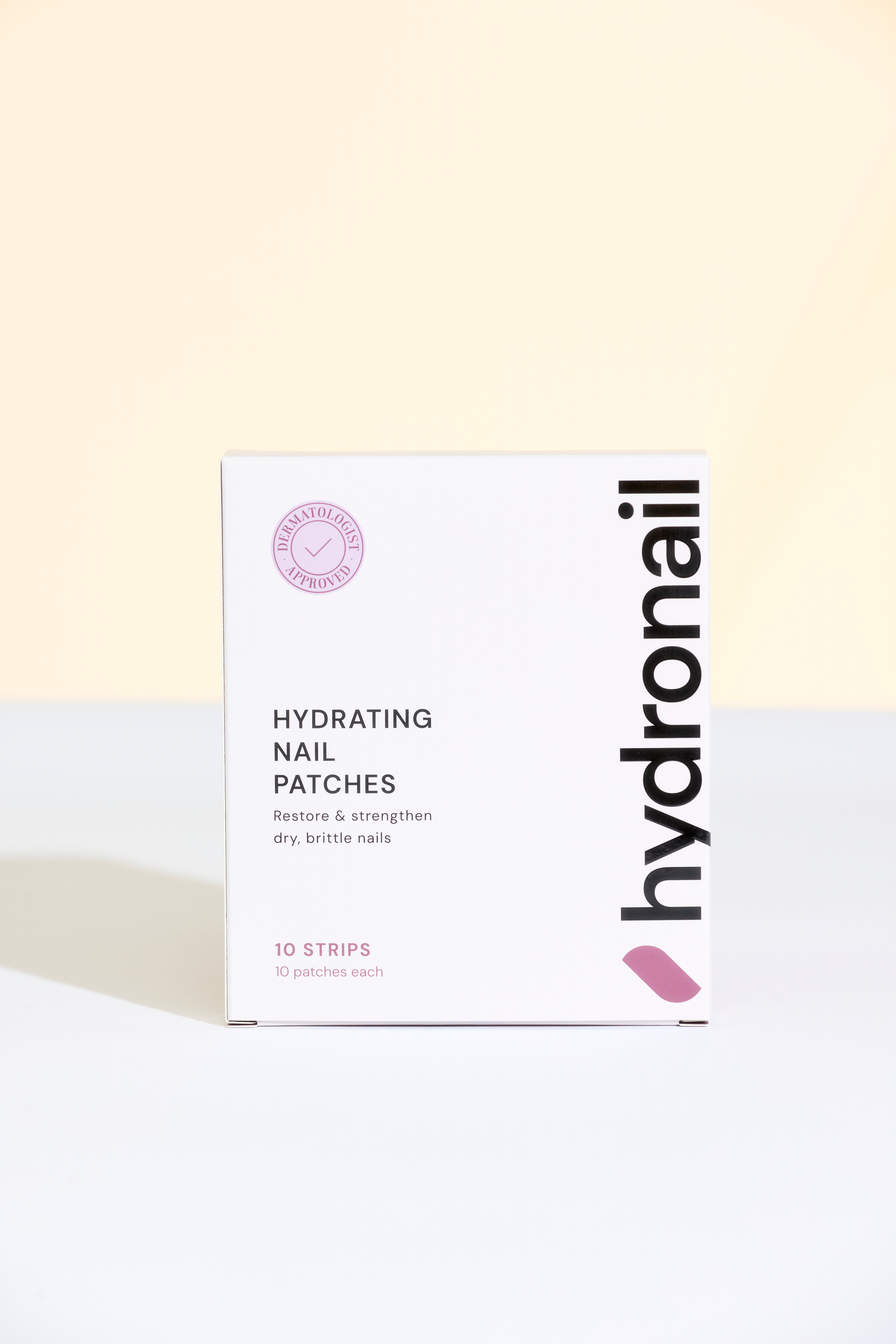
- Using a hydrating nail patch to restore and strengthen dry, brittle nails
- Using cotton gloves or socks overnight after applying hand or foot cream to lock in moisture
- Asking a healthcare professional whether biotin supplementation may support nail growth
- Avoiding nail biting and cutting, or aggressively pushing back cuticles
- Taking breaks from gel manicures, acrylics, or artificial nails to prevent dehydration and weakness
- Trimming fingernails in a gentle curve and toenails straight across to reduce stress on the nail
- Gently buffing nails to smooth surface ridges without thinning the nail plate
- Wearing protective gloves when handling household cleaners or chemicals
Can Nail Ridges Be Prevented?
There is no guaranteed way to prevent nail ridges, but regular medical checkups and early attention to nail changes can help limit their progression. New or worsening nail changes should always be discussed with a healthcare professional.
While brittle nails and ridges are often harmless, a professional healthcare evaluation helps rule out underlying conditions and ensures appropriate care if treatment is needed. Contact your healthcare provider if you notice any of the following:
- Changes in nail shape, such as nail clubbing or spoon-shaped nails
- Unusual nail color changes, including white, yellow, green, or dark discoloration
- Small dents or pits on the nail surface
- Redness, swelling, or tenderness around one or more nails
Supporting Long-Term Nail Health Through Consistent Care
Brittle nails and ridges often come from aging, daily habits, and internal factors that affect nail growth and moisture. Most nail changes are harmless, but regular care and protection are important for strong nails. If concerns continue, special care solutions like HydroNail’s hydration systems can help maintain nail health with professional advice.
Read more

This guide explains how to choose a nail strengthener for brittle nails by combining the it with hydration-focused care, it’s possible to reduce breakage and support healthier, more resilient nails...
This guide explores six nail oils that help restore hydration, support nail strength, and improve resilience, along with simple tips for using them effectively in your daily nail care routine.