
How Your Thyroid Can Affect Your Nails
Your nails can provide valuable insights into your health, including the functioning of your thyroid gland. Individuals with low thyroid levels (hypothyroidism) often experience nail complaints, such as weak nails. Those with elevated thyroid hormone levels (hyperthyroidism) may notice “spoon-shaped” nails or clubbing.
An imbalance in thyroid hormone levels can have a profound impact on the appearance of your nails. In this blog post, we will explore the underlying causes of this condition and provide practical tips to maintain healthy nails.
An Overview of Hypothyroidism and Its Impact on Nail Health
Hypothyroidism is a thyroid disorder characterized by the thyroid gland’s inability to produce enough thyroid hormones, specifically triiodothyronine (T3) and thyroxine (T4). These hormones are crucial for regulating metabolism, which influences nearly every physiological function.
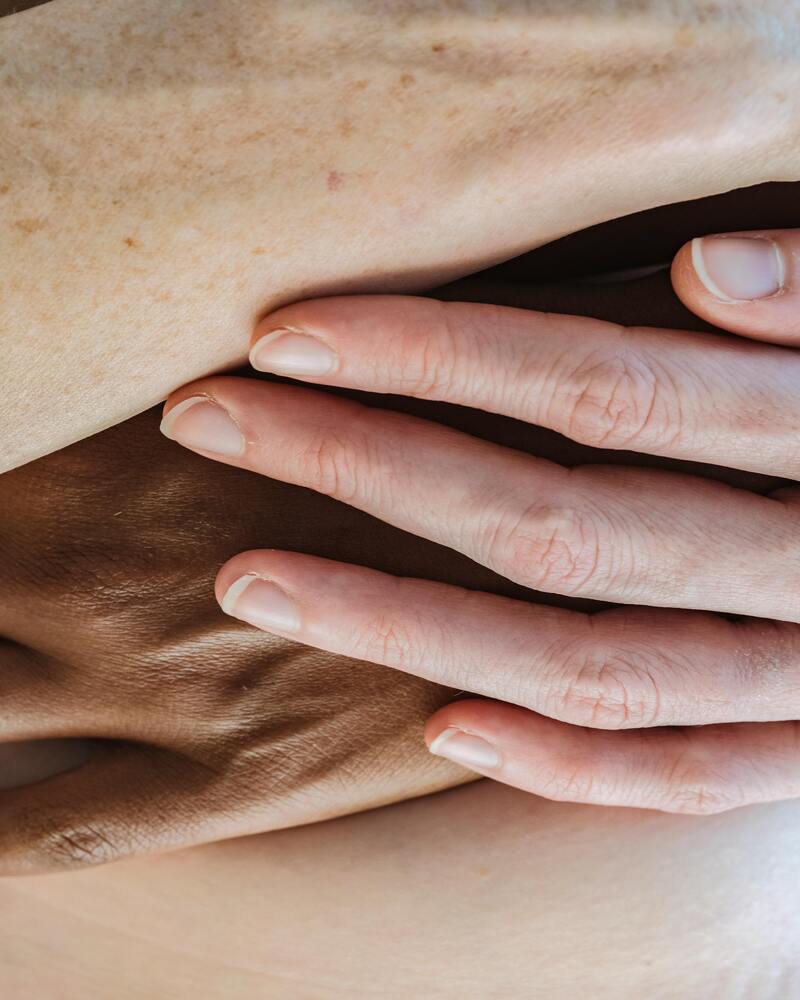
When thyroid hormone levels are low, the body’s processes decelerate, resulting in various physical and mental health alterations, including changes in nail appearance and structure. In hypothyroidism, nails frequently become brittle, discolored, and susceptible to deformities.
A specific symptom of interest, commonly referred to as “hypothyroidism thyroid nails,” manifests when nails begin to detach from the nail bed (medically termed onycholysis). This condition can affect nails, leading to a noticeably uneven and weakened nail appearance.
Role Of Thyroid Hormone
Thyroid hormones play a crucial role in nail growth. Changes in nail appearance can be linked to thyroid disorders and may provide supportive clinical indications, but they are not diagnostic by themselves and need confirmation through thyroid function testing.
A 2022 study revealed that individuals with thyroid disorders frequently experience nail brittleness. Notably, individuals with autoimmune thyroid disorders such as Hashimoto’s or Graves’ disease exhibited a higher rate of nail brittleness compared to those with non-autoimmune thyroid conditions.
Individuals with hypothyroidism also reported the following nail-related conditions to a lesser extent:
- Leukonychia (white nails)
- Striped nails
- Pitting (small depressions on nails, creating an uneven surface)
The precise mechanism by which a dysfunctional thyroid gland influences nail growth remains unclear. In the context of hypothyroidism, it is established that the condition induces a slowdown in bodily functions, which some speculate may lead to the following:
- Keratin builds up inside the nail before it grows out, causing ridges to form.
- Reduced blood flow and nutrient delivery to the nails, leading to stunted growth and brittle nails.
How Thyroid Hormone Imbalances Affect Nail Structure
The thyroid gland produces hormones that regulate many body functions, including nail growth, strength, and thickness. These hormones support nail development by stimulating growth and helping nail cells mature into specialized structures.
Hypothyroidism can cause nails to become dry and brittle, making them more prone to breaking. Nails may also develop ridges or take on a yellowish appearance. In contrast, hyperthyroidism can result in thin, fragile nails and is often associated with onycholysis.
Thyroid hormones also influence protein synthesis, which is essential for maintaining healthy nails. They support the production of keratin, a key protein that forms the structure of nails and aids in repair. Also, thyroid hormones help regulate blood flow during temperature control, ensuring the nail bed receives enough nutrients and oxygen to support healthy nail growth.
Targeted Treatment for Hypothyroidism-Related Nail Changes
Treating nail changes caused by hypothyroidism starts with correcting the underlying thyroid hormone imbalance. Once hormone levels are properly managed, most patients experience gradual improvements in nail health over time.
Primary Treatment
Thyroid Hormone Replacement Therapy: The main treatment for hypothyroidism is synthetic thyroid hormone replacement, most commonly levothyroxine. This therapy helps restore normal hormone levels and relieve related symptoms, including nail concerns.
Supplemental and Supportive Care
- Biotin Supplements: Biotin, a B vitamin, may help improve nail thickness, which can reduce brittleness.
- Healthy Diet: A balanced diet rich in essential vitamins and minerals, especially iodine, zinc, and selenium, supports thyroid function and nail health.
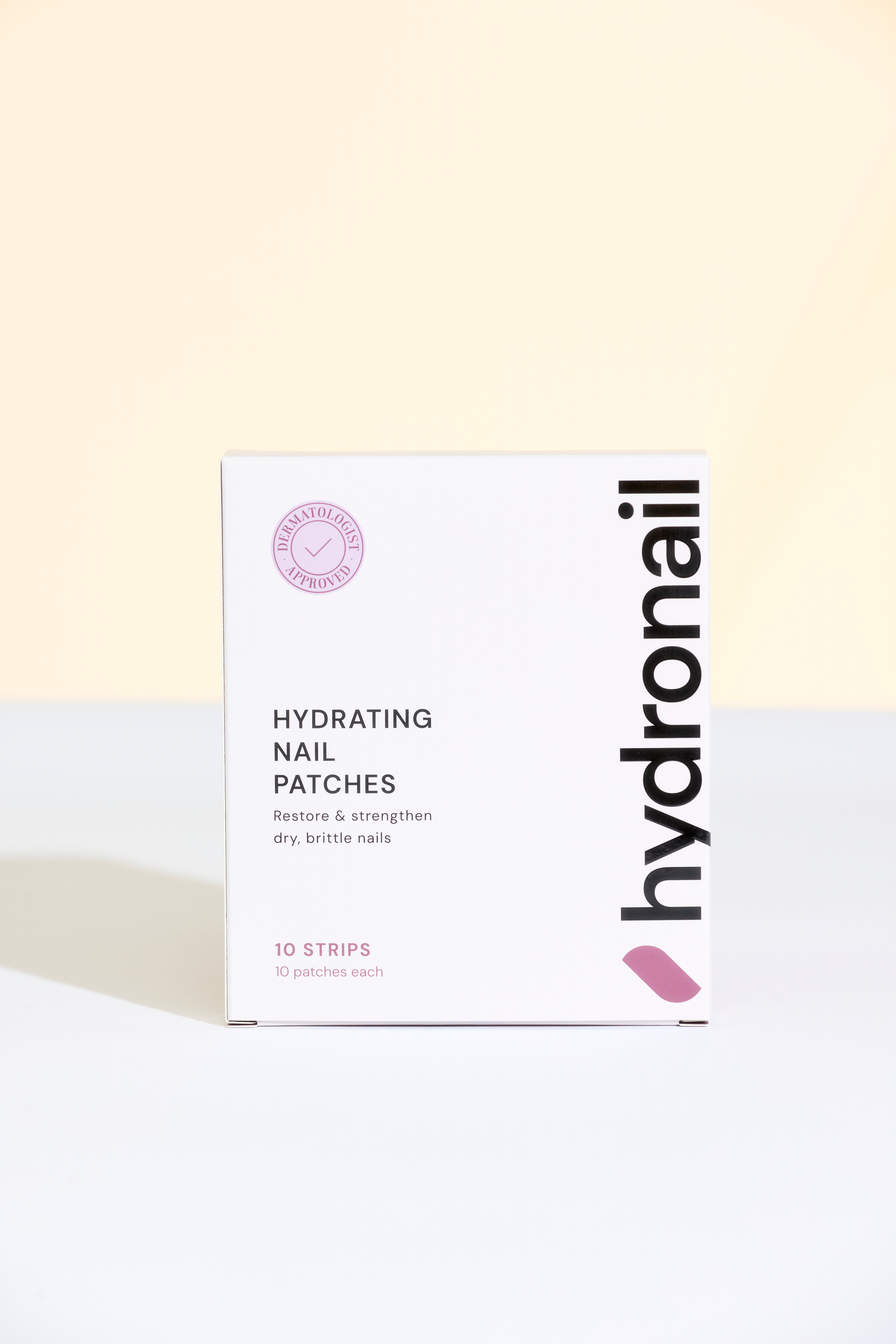
- Moisturization and Nail Care: Regular moisturizing, such as using products like HydroNail, and avoiding harsh nail treatments or chemicals, can help prevent further dryness and damage.
Preventing Nail Damage
The American Academy of Dermatology Association recommends the following practices to help keep nails healthy and prevent damage:
- Keep nails clean and dry to reduce weakening.
- Trim nails regularly to support proper growth.
- Cut nails straight across using sharp clippers, and gently round the edges to improve strength.
- Avoid biting, picking, or tearing nails, as these habits can cause damage.
- Do not remove cuticles during manicures or pedicures, as this can lead to nail injury or infection.
- Wear water shoes or flip-flops in public showers and pool areas to protect nails.
- Clip hangnails or ingrown nails carefully instead of digging them out.
Additional nail care habits that support nail strength include:
- Use a hydrogel patch treatment to help strengthen weak nails.
- Keep hands, nails, and cuticles well moisturized to maintain nail health.
- Wear gloves when washing dishes or doing water-heavy tasks to prevent brittle nails from frequent wetting and drying.
What Are The Top Supplements Recommended For Brittle Nails?
You may have heard of or seen supplements that claim to enhance hair and nail growth. These supplements typically contain high doses of a water-soluble B vitamin called biotin. There is some evidence suggesting that biotin supplements can help individuals with brittle nails.
However, biotin can interfere with thyroid test results. It is recommended to stop biotin approximately 48 hours before undergoing thyroid testing.
How Thyroid Health Influences Nail Health
Thyroid function has a direct impact on nail growth and resilience, making consistent care essential for nail health. Properly managing thyroid imbalances, following evidence-based nail care practices, and staying hydrated can help reduce concerns such as brittle nails over time.
Although visible improvements may be gradual, a steady and informed approach supports stronger, healthier nail growth. Paying attention to changes and maintaining routine care can lead to lasting improvements in nail condition and nail health.
Read more
This guide explores six nail oils that help restore hydration, support nail strength, and improve resilience, along with simple tips for using them effectively in your daily nail care routine.
This article explains what causes brittle nails, why hydration is essential for nail strength, and how simple daily habits supported by a hydration-first approach like HydroNail can improve nail he...