

Biotin For Nails: Does It Work?
Biotin is widely used in health and beauty products, and some physicians even recommend it. Due to corporate marketing efforts, there is a lot of hype around Biotin. In fact, almost 20% of people in the U.S. use biotin for nail health. To better understand biotin’s role, let’s look at what the research shows, when it may be beneficial, and how excessive intake can affect certain laboratory test results.
What Is Biotin?
Biotin is a water-soluble B-complex vitamin, which is also known as vitamin B7 or vitamin H. It functions as a coenzyme involved in several metabolic processes in the body. Its primary role is to aid in the metabolism of fats, carbohydrates, and amino acids.
Biotin is well known for its role in supporting healthy hair, skin, and nails. By contributing to the production of keratin, it helps support nail strength and resilience and may reduce issues such as brittleness and breakage.
Biotin From Food And Supplements
For most adults over age 19, an adequate intake of 30 micrograms of biotin is considered sufficient to support nail health. Many people already meet this amount through their regular diet and may not need a supplement.
Biotin is naturally found in a variety of foods, such as:
- Beef liver
- Salmon
- Pork chop
- Oatmeal
- Milk
Taking a biotin supplement, or a multivitamin that contains biotin, is generally considered safe. However, higher doses can interfere with certain laboratory tests, which may lead to inaccurate results.
Biotin may also interact with some medications. Because of this, it’s important to let your healthcare professional know if you take biotin supplements regularly.
Biotin for Nail Growth
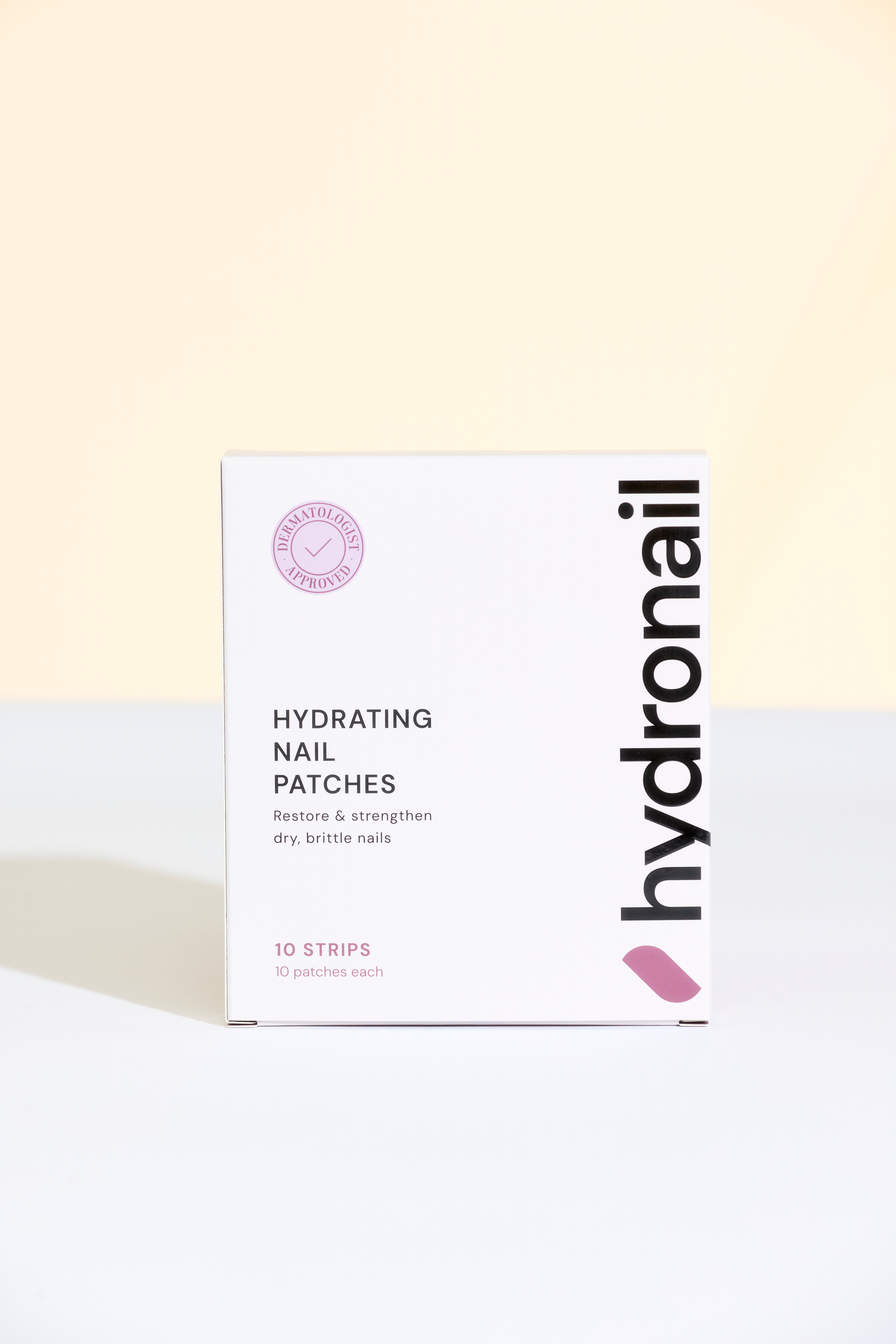
Biotin may help some people with brittle nails. For added support, HydroNail helps hydrate, strengthen, and restore brittle nails by supporting nail health where it matters most.
How Does Biotin Improve Nail Strength and Growth?
Biotin can support nail strength in people with weak or brittle nails. However, it is not a quick fix, and results take time.
Biotin supports nail health by:
- Helping the body produce keratin, the main structural protein in nails
- Supporting protein metabolism, which contributes to a stronger nail structure
Research involving people with brittle nails suggests that:
- Taking about 2.5 mg of biotin daily for several months may improve nail thickness
- Some studies report up to a 25% increase in nail thickness
- Results are mainly seen in people with brittle nails, not those with normal biotin levels
It’s also important to keep expectations realistic:
- Most healthy individuals are not biotin-deficient, so added benefits may be limited
- Nails grow slowly, at about 2–3 mm per month
- Noticeable improvements typically require 3–6 months of consistent use
Biotin Deficiency: Who is at risk?
Certain conditions can increase the risk of low biotin levels by impairing absorption, increasing the body’s demand, or disrupting how biotin is utilized. Identifying individuals who may be at higher risk can help determine whether biotin intake should be assessed or optimized. These conditions include:
- Genetic causes of biotinidase deficiency: Some people have a genetic condition that prevents the body from properly recycling biotin, leading to a deficiency. This can cause skin and neurological problems.
- Chronic alcohol exposure: Regular alcohol consumption is linked to low biotin levels because drinking alcohol over time can make it harder for the body to absorb biotin properly.
- Pregnant and nursing women: Hormonal and metabolic changes during pregnancy and breastfeeding can lower biotin levels. As a result, some experts recommend increased biotin intake.
- Eating large amounts of egg whites: Raw egg whites contain a compound that interferes with biotin absorption. Consuming large amounts over time has been linked to cases of biotin deficiency.
Is Biotin Safe To Take Every Day?
Biotin is generally safe to take every day. However, it’s important to be aware that biotin can interfere with certain blood tests. For this reason, be sure to inform your healthcare professional if you take biotin regularly and are scheduled for blood work.
Can You Take Too Much Biotin?
High doses of biotin are unlikely to be toxic since biotin is water-soluble, and the body typically excretes excess amounts through urine. There is currently no evidence that biotin causes toxicity, even at high doses. As a result, the Food and Nutrition Board has not established a clear upper limit for biotin intake.
Biotin Safety: Potential Side Effects and Testing Interference
Most people who take biotin do not experience side effects. However, some individuals may notice symptoms such as upset stomach or insomnia. Biotin can also affect blood tests that measure:
- Hormones, such as vitamin D and thyroid hormones, which help regulate many body functions
- Troponin, a blood marker that doctors use to help detect a heart attack
What to Do If Brittle Nails Are Still a Concern
If you think you may have a biotin deficiency, the first step is to visit your healthcare provider for a proper evaluation. If a review of your diet shows adequate biotin intake or testing confirms normal biotin levels, your provider can help identify other possible causes of your nail concerns.
Dry, brittle nails are common, especially with age, and biotin is not always the underlying issue. The good news is that there are effective ways to support nail strength and appearance beyond supplements alone.
If you’re looking for targeted nail care, explore HydroNail to help restore healthier-looking nails and support long-term nail resilience.
Read more

Brittle nails are often the result of moisture loss and daily damage rather than a lack of strength. This guide breaks down practical, at-home remedies that help restore hydration, protect the nail...

Learn how to help brittle nails with effective treatments, causes, and care tips to strengthen, protect, and support healthier nail growth.